


Acacia wood cutting boards are a staple in many kitchens due to their durability, aesthetic appeal, and natural resistance to moisture. However, proper care is essential to maintain their longevity and keep them in the best condition. This guide will provide expert tips on how to care for an acacia wood cutting board to prevent cracking, warping, and bacterial buildup. Whether you’re a home cook or a professional chef, knowing how to clean, oil, and store your acacia wood cutting board properly will ensure it lasts for years.
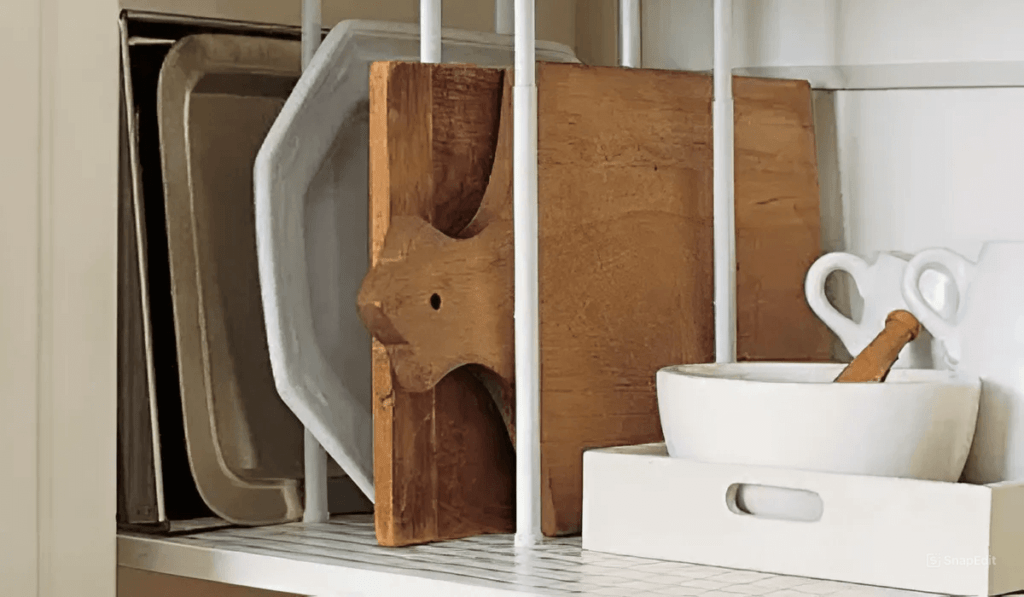
In this guide, we’ll cover everything you need to know about acacia wood cutting board care, including essential maintenance, common issues, and how acacia compares to other cutting board materials.
I. Introduction to Acacia Wood Cutting Board Care
A high-quality acacia wood cutting board is more than just a kitchen tool—it’s an investment in durability, functionality, and aesthetics. Acacia wood is renowned for its resilience, moisture resistance, and stunning grain patterns, making it a top choice for home cooks and professional chefs alike. However, without proper maintenance, even the best acacia wood cutting board can dry out, crack, warp, or become unsanitary.
In this section, we’ll explore why acacia wood is an excellent cutting board material, why proper care is essential, and what happens if you neglect maintenance. By following best practices in acacia wood cutting board care, you can extend its lifespan and keep it looking as good as new for years to come.
Why Acacia Wood is Popular for Cutting Boards
✔ Durable & Knife-Friendly – Acacia is a hardwood that resists knife marks and dents while being gentle on blades. More durable than bamboo and less prone to splintering.
✔ Water-Resistant – Acacia’s dense grain prevents excess moisture absorption, reducing warping, cracking, and bacterial growth. More resistant to mold than maple.
✔ Eco-Friendly & Sustainable – Fast-growing, FSC-certified, biodegradable, and non-toxic—unlike plastic boards that contribute to landfill waste.
✔ Low Maintenance – With proper acacia wood cutting board care, it stays hygienic, smooth, and long-lasting with minimal upkeep.
The Importance of Proper Care
Even though acacia wood cutting boards are durable, neglecting proper maintenance can significantly reduce their lifespan. Proper acacia wood cutting board care ensures:
✔ Longevity & Durability
✔ Hygiene & Food Safety
✔ Aesthetic Appeal
What Happens If You Don’t Maintain Your Cutting Board?
Ignoring acacia wood cutting board care can lead to serious damage over time. Here are the most common problems caused by improper maintenance:
❌ Cracking and Drying
Without regular oiling, the wood’s natural moisture evaporates, causing it to become brittle and prone to cracking.
- Signs of a dried-out board: Rough texture, visible cracks, and splintering.
- Prevention: Apply food-grade mineral oil regularly to lock in moisture.
❌ Warping and Bending
Wood is a natural material that expands and contracts with changes in moisture levels. Improper washing and drying techniques can cause warping, making the board uneven and difficult to use.
- Common causes of warping:
- Leaving the board soaking in water.
- Not drying properly after washing.
- Storing it in a humid or hot environment.
- How to prevent warping:
- Dry the board standing upright for even airflow.
- Avoid placing it near heat sources (stoves, dishwashers, or direct sunlight).
❌ Bacterial Growth & Odors
Acacia wood is naturally resistant to bacteria, but without proper cleaning, food particles, moisture, and knife cuts can trap bacteria and lead to bad smells and potential contamination.
- What causes bacteria buildup?
- Not washing the board properly after cutting raw meat.
- Leaving it wet or damp instead of drying completely.
- Not using natural disinfecting methods like vinegar or lemon.
- How to prevent odors and bacteria?
- Hand wash after every use (never use a dishwasher).
- Disinfect naturally with vinegar or baking soda.
- Dry the board immediately after washing.
II. Essential Maintenance for Acacia Wood Cutting Boards
Cleaning Best Practices
Never put your acacia wood cutting board in the dishwasher! The combination of high heat, excessive water exposure, and harsh detergents can cause severe damage by stripping away natural oils, leading to warping and cracking.

✅ Best Cleaning Method:
- Rinse under warm running water immediately after use.
- Apply a small amount of mild dish soap with a soft sponge or brush.
- Gently scrub to remove any food residue.
- Rinse thoroughly to ensure no soap is left behind.
- Pat dry immediately with a clean towel.
- Air-dry the board standing upright to allow even airflow.
🚫 Common Mistakes to Avoid:
❌ Never soak your board in water—it will absorb moisture and warp.
❌ Avoid using harsh chemicals or bleach, which can dry out and damage the wood.
- Pro Tip: If you regularly cut raw meat, disinfect your board naturally by using vinegar or lemon instead of harsh cleaners.
Removing Stains and Odors
Over time, acacia cutting boards can develop stains from foods like tomatoes, berries, and turmeric or absorb strong odors from garlic, onions, or fish. To keep your board fresh, follow these natural cleaning methods:

Baking Soda Paste:
- Mix 1 tablespoon of baking soda with a few drops of water to create a paste.
- Apply to stained areas and scrub gently with a sponge.
- Rinse and dry immediately.
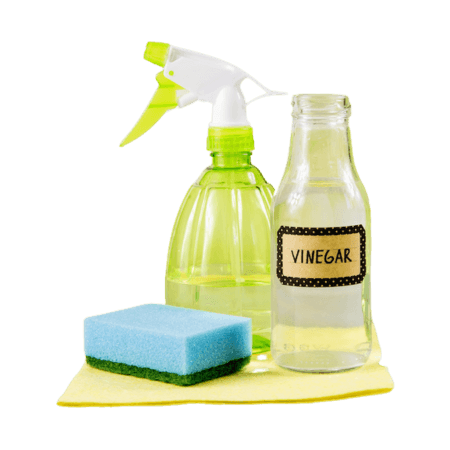
Vinegar Spray:
- Mix equal parts white vinegar and water in a spray bottle.
- Spray onto the board and let sit for 5 minutes before wiping clean.
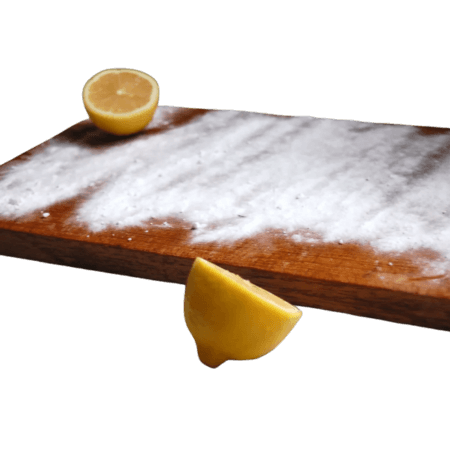
Salt & Lemon Scrub:
- Sprinkle coarse salt over the board’s surface.
- Cut a lemon in half and scrub the board in circular motions.
- Let it sit for 5-10 minutes, then rinse and dry.
- Prevention Tip: Regular oiling helps create a protective barrier, preventing stains from soaking into the wood grain.
Oiling and Conditioning

– Why Oiling is Important?
Regular oiling is a key step in acacia wood cutting board care, as it helps:
✔ Prevent drying and cracking – Maintains wood hydration.
✔ Enhance water resistance – Reduces the risk of warping.
✔ Restore the wood’s natural color – Keeps it looking new.
✔ Extend lifespan – Protects against daily wear and tear.
Without proper oiling, an acacia wood cutting board can become brittle, rough, and more prone to absorbing bacteria.
– Best Oils for Acacia Cutting Board Care
Not all oils are safe for wood conditioning! Use only food-safe, non-toxic oils to maintain your board.
✅ Recommended Oils:
✔ Food-Grade Mineral Oil – The best overall choice for deep penetration.
✔ Beeswax & Coconut Oil – Adds an extra protective layer and slight water resistance.
✔ Walnut Oil – Absorbs well and enhances the wood’s natural color.
🚫 Avoid These Oils:
❌ Vegetable & Olive Oil – Can turn rancid over time, causing unpleasant odors.
❌ Canola Oil & Sunflower Oil – Leaves a sticky residue and promotes bacteria growth.
- Pro Tip: Use a combination of mineral oil and beeswax for the best long-term protection!
– How Often Should You Oil Your Board?
🗓 New Boards: Oil once a week for the first month to allow full saturation.
🗓 Regular Use: Oil once a month, or when the wood starts looking dry.
🗓 Heavy Use: If used daily, apply oil every 2-3 weeks for maximum protection.
– How to Apply Oil Properly
- Ensure the acacia wood cutting board is completely clean and dry before oiling.
- Pour a generous amount of oil onto the surface.
- Use a clean cloth or paper towel to spread the oil evenly across the entire board, including the edges.
- Let the oil soak in for several hours or overnight for maximum absorption.
- Wipe off any excess oil with a dry cloth before using.
- Pro Tip: Apply a final coat of beeswax or coconut oil after mineral oil for extra durability and water resistance.
Proper Storage & Handling
– Preventing Warping and Cracking
Warping is one of the most common issues with wooden cutting boards, often caused by uneven drying or excessive moisture exposure.
✅ Best Practices to Prevent Warping & Cracking:
✔ Dry the board immediately after washing to prevent water absorption.
✔ Store it upright (on its edge) to allow even airflow.
✔ Keep it away from humid areas or extreme temperatures.
🚫 Common Mistakes That Cause Warping:
❌ Leaving the board lying flat on a wet surface.
❌ Storing it near dishwashers, stoves, or direct sunlight.
- Pro Tip: If your acacia wood cutting board starts warping, store it with the curved side facing down under a heavy object to help flatten it over time.
– Best Storage Conditions
To keep your acacia cutting board in the best shape, follow these ideal storage conditions:
✔ Store in a cool, dry place – Prevents mold and mildew buildup.
✔ Use a cutting board rack – Keeps the board off countertops to avoid contact with moisture.
✔ Ensure proper ventilation – Prevents trapped moisture and bacteria growth.
🚫 What NOT to Do:
❌ Never stack wet cutting boards—it traps moisture between them.
❌ Avoid sealed, non-ventilated spaces like closed cabinets with no airflow.
– Avoiding Extreme Temperatures
Heat and cold cause wood to expand and contract, leading to cracks, splits, and structural weakening.
🔥 Heat Exposure Risks:
- Dries out the board, leading to cracks.
- Speeds up oil evaporation, requiring more frequent conditioning.
❄ Cold Exposure Risks:
- Causes wood contraction, increasing the likelihood of splitting.
✅ Best Practices to Avoid Temperature Damage:
✔ Keep your cutting board away from heat sources like stovetops, ovens, and dishwashers.
✔ Avoid direct sunlight exposure, especially for long periods.
✔ Do not store in freezing temperatures (like an unheated garage in winter).
III. Common Issues and How to Fix Them
Even with proper acacia wood cutting board care, problems like cracking, warping, and structural damage can still occur. Understanding why these issues happen and how to fix them will help extend the lifespan of your board.
Cracking and Drying
– Why It Happens
One of the most common problems in acacia wood cutting board care is cracking due to moisture loss. The most common causes include:
- Lack of regular oiling – Without consistent conditioning, the wood dries out.
- Exposure to heat or direct sunlight – Sudden temperature changes cause the wood to expand and contract.
- Excessive water exposure – Soaking the board in water or improper drying weakens the wood’s fibers.
– How to Fix It
If your acacia wood cutting board has developed cracks or started to dry out, follow these steps to restore it:
✅ Step 1: Lightly sand the cracked area with fine-grit sandpaper (220-400 grit) to smooth rough edges.
✅ Step 2: Apply food-grade mineral oil generously over the entire surface.
✅ Step 3: Let the oil soak for at least 12 hours, then wipe off any excess.
✅ Step 4: For deep cracks, use food-safe wood glue to seal them, then sand lightly after drying.
✅ Step 5: Apply a final protective coat of beeswax and mineral oil blend to lock in moisture.
- Prevention Tip: Regular oiling keeps the wood hydrated, preventing cracks and dryness. Oil your board at least once a month or more if used frequently.
Warping and Bending
– What Causes Warping?
Warping happens when one side of the board absorbs more moisture or dries faster than the other, creating uneven tension. The common causes include:
- Uneven drying after washing – Leaving water on one side causes uneven expansion.
- Exposure to moist or humid conditions – Excess moisture in the air can cause the wood to swell and warp.
Proper acacia cutting board care includes drying techniques that prevent warping over time.
– How to Fix a Warped Board
If your acacia cutting board has started to warp, try these methods:
✅ Step 1: Soak the curved side of the board with warm water.
✅ Step 2: Place it on a flat surface with the curved side facing down.
✅ Step 3: Put a heavy object (such as books or a cast iron pan) on top.
✅ Step 4: Leave it for 12-24 hours until the board flattens out.
- Alternative Fix: If the board remains warped, try the towel and iron method:
- Place a damp towel over the warped area.
- Use a low-heat iron to press down for 5-10 minutes.
- Let the board cool under weight for several hours.
- Prevention Tip: Always dry your cutting board standing upright to allow even airflow, preventing warping and bending.
Preventing Future Damage
– How to Properly Maintain an Acacia Wood Cutting Board
Even after fixing cracks or warping, long-term maintenance is key. Here’s how to care for an acacia wood cutting board to prevent future issues:
✔ Oil Regularly – Apply food-grade mineral oil every 3-4 weeks to keep the wood hydrated.
✔ Avoid Water Exposure – Never soak the board or put it in a dishwasher.
✔ Store in a Dry Place – Keep away from humid areas or direct sunlight.
✔ Dry Properly – Always dry the board standing upright after washing.
- Long-Term Benefit: Following these maintenance steps ensures your acacia wood cutting board lasts for years without cracking or warping.
IV. Acacia vs. Other Cutting Board Materials
Choosing the right cutting board material is essential for durability, knife safety, and maintenance. Here’s how acacia compares to other popular options like teak, bamboo, and maple.
Acacia vs. Teak
✅ Teak is more water-resistant – Thanks to its high natural oil content, teak repels moisture better than acacia.
✅ Acacia is more affordable – While teak is premium-priced, acacia provides a great balance between durability and cost.
✅ Both are knife-friendly – Neither will dull your blades quickly.
When considering acacia wood cutting board care, acacia is a cost-effective alternative that still offers excellent durability.
Acacia vs. Bamboo and Maple
✔ Acacia is harder than bamboo – It resists knife marks better while still being gentle on blades.
✔ Bamboo absorbs less moisture but can be rougher – It’s lightweight and eco-friendly but can be harsh on knives.
✔ Maple is a premium option – It’s denser and longer-lasting but requires more maintenance and regular oiling.
Best for: Those wanting a hardwood cutting board that balances durability and affordability (acacia) vs. a more premium, high-maintenance board (maple).
Why BearChop Acacia Cutting Boards Stand Out
🛠 Expert Craftsmanship – Precision-cut for maximum durability.
🌍 Sustainably Sourced – Made from FSC-certified acacia wood, ensuring eco-friendly production.
💪 Built to Last – Resistant to warping, moisture damage, and bacterial buildup.
V. Final Thoughts & FAQs
Taking care of your acacia wood cutting board doesn’t have to be complicated. By following the right cleaning, oiling, and storage practices, you can extend its lifespan and keep it looking beautiful for years. Below are some common questions to help you maintain your board properly and ensure proper acacia wood cutting board care.
FAQs
How often should I oil my acacia wood cutting board?
Once a month or whenever the wood looks dry. If you use your board daily, consider oiling every 2-3 weeks for extra protection.
Can I put my acacia cutting board in the dishwasher?
No! The high heat and excessive water exposure can cause warping and cracks. Always handwash and dry immediately.
What is the best oil for an acacia wood cutting board?
Food-grade mineral oil is the best option. You can also use beeswax or walnut oil for added protection, but avoid vegetable or olive oil, as they can turn rancid.
How do I prevent warping?
Store the board upright, dry it immediately after washing, and keep it away from humid environments or extreme temperatures.
Final Takeaway
By following proper acacia wood cutting board care, you ensure that your board remains:
✔ Durable – Resistant to cracks, warping, and moisture damage.
✔ Hygienic – Free from bacteria buildup with regular cleaning.
✔ Aesthetic – Maintains its rich color and smooth finish with oiling.
By prioritizing acacia wood cutting board care, you can ensure a long-lasting, hygienic, and aesthetically pleasing board for years to come.





I purchased the Bearchop Acacia Wood Cutting Boards for Kitchen, [17″ x 13″ x 1″] Medium Edge Grain Cutting Board from Amazon and have lightly sanded it to remove the knife marks and am ready to refinish it. I would like to refinish it so that it matches the sides and back as close as possible. Can you tell me what you used on this board? I’m guessing walnut oil but wanted to confirm before purchasing. Thank you.
Hi! Thanks for reaching out and taking such great care of your board.
Our cutting boards are finished with food-grade mineral oil and a beeswax wood conditioner, not walnut oil. Mineral oil is completely clear and will blend the sanded area seamlessly with the original factory finish on the sides and back.
For the best result, saturate the sanded area with food-grade mineral oil, wipe away the excess after 30 minutes, and seal it with a beeswax-based board butter for that smooth, water-resistant finish. Hope this helps