Cutting boards are an indispensable part of every kitchen, and choosing the right type can make all the difference. Among the many options available, edge grain cutting boards strike the perfect balance between durability, affordability, and aesthetics. With their linear grain pattern and robust construction, they’re a top choice for home cooks and professionals alike.
In this article, we’ll explore why edge grain cutting boards are a practical choice, how they compare to other types, and why woods like Acacia and Teak are standout options. For a deeper dive into the best woods for edge grain cutting boards, don’t miss our comprehensive guide: Best Wood for Edge Grain Cutting Boards: Are Edge Grain Cutting Boards Good?
Showing all 7 results

Free Shipping for
Orders over $500

Free Return within
15 Days

100% Payment
Secured with PEV

100% Guarantee
Product Quality
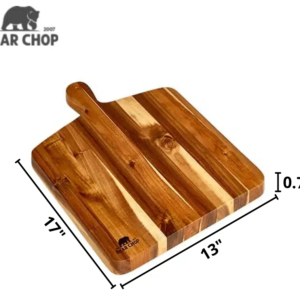
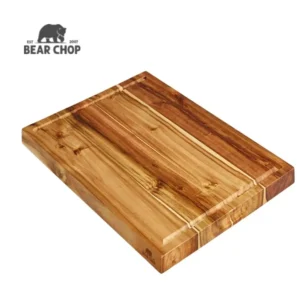
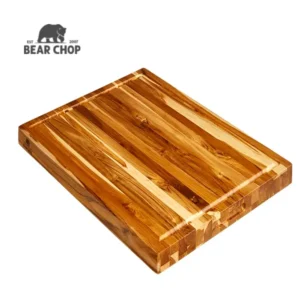
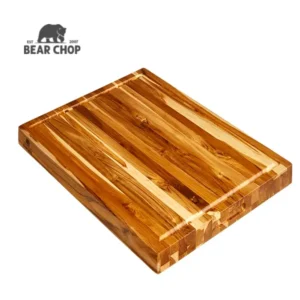
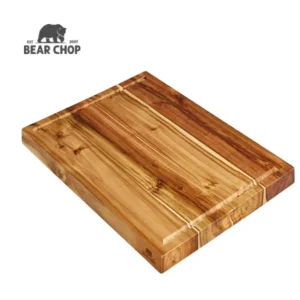
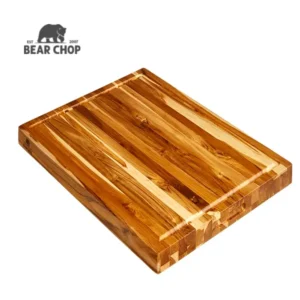
Edge grain cutting boards are crafted by aligning the long fibers of the wood, creating a smooth, parallel grain pattern. This construction makes them sturdy, reliable, and ideal for daily use. Unlike end grain boards, which have a checkerboard appearance, edge grain boards feature a more uniform look and are generally lighter and easier to handle.
Edge grain cutting boards are designed to handle the wear and tear of daily kitchen tasks. Their sturdy construction makes them less prone to cracking or warping, even with heavy use.
While edge grain boards are slightly harder than end grain boards, they’re still gentle on knives. The grain alignment provides a smooth cutting surface that helps maintain your knife’s sharpness over time.
Edge grain cutting boards are generally lighter than end grain boards, making them easier to move, clean, and store. This makes them a convenient option for quick meal prep or casual cooks.
With their clean and uniform grain pattern, edge grain boards have a classic, elegant look that complements any kitchen style. Woods like Acacia and Teak offer rich, natural tones that add warmth and sophistication to your cooking space.
Compared to end grain boards, edge grain cutting boards are more budget-friendly. They offer excellent value for their durability and aesthetic appeal, making them a popular choice for both beginners and experienced cooks.
Edge grain cutting boards are versatile enough for chopping vegetables, slicing bread, and even serving cheese or charcuterie. Their durability and size make them perfect for a variety of kitchen tasks.
Unlike end grain boards, which require frequent oiling to maintain their self-healing properties, edge grain boards are easier to care for. Regular cleaning and occasional oiling are enough to keep them in great condition.
When made from FSC-certified woods like Acacia and Teak, edge grain cutting boards are an environmentally friendly choice. These woods are responsibly sourced, ensuring minimal impact on the environment.
If you’re debating between an edge grain and an end grain cutting board, here’s a quick comparison to help you decide:
| Feature | Edge Grain Cutting Boards | End Grain Cutting Boards |
|---|---|---|
| Durability | Durable, ideal for daily use | Extremely durable, best for heavy chopping |
| Knife-Friendliness | Gentle on knives, but slightly harder | Softer on knives, with self-healing fibers |
| Weight | Lightweight and easier to handle | Heavier and more stable |
| Aesthetic | Clean, uniform grain pattern | Unique checkerboard design |
| Maintenance | Low maintenance, occasional oiling needed | Requires more frequent oiling |
| Cost | More affordable | Higher upfront cost |
While end grain boards offer premium durability and aesthetics, edge grain boards are a practical, affordable option for everyday use.
For more insights, check out our related article, Best Wood for Edge Grain Cutting Boards: Are Edge Grain Cutting Boards Good?, where we dive deeper into the advantages and best woods for edge grain boards.
Both Acacia and Teak are standout choices for edge grain cutting boards. Their durability, beauty, and sustainability make them reliable kitchen companions.
Wash the board with warm water and mild soap after each use. Avoid soaking it in water or placing it in the dishwasher, as this can cause warping.
Pat the board dry immediately with a towel. Allow it to air dry upright to ensure all moisture evaporates.
Apply food-safe mineral oil or cutting board conditioner every 2-4 weeks to keep the wood hydrated.
Keep your board away from direct sunlight or heat sources. Do not use the board as a trivet for hot pots or pans.
Yes, edge grain boards are gentle on knives, helping to preserve their sharpness over time.
Both are excellent choices. Acacia is more affordable, while Teak offers superior water resistance and durability.
It’s recommended to oil your board every 2-4 weeks, depending on usage, to keep it in great condition.
Absolutely! Edge grain boards are stylish and versatile, making them ideal for serving cheese, charcuterie, or even bread.
Edge grain boards are more affordable, lightweight, and easier to maintain, while end grain boards are heavier, more durable, and self-healing.
Edge grain cutting boards are the perfect blend of practicality, durability, and style. Whether you choose Acacia for its warm grain or Teak for its premium performance, these boards are ideal for everyday kitchen use.
For more information on choosing the best wood and maximizing the benefits of edge grain boards, don’t miss our related guide: Best Wood for Edge Grain Cutting Boards: Are Edge Grain Cutting Boards Good?
Invest in a high-quality edge grain cutting board today, and experience the perfect balance of functionality and beauty in your kitchen!