When it comes to cutting boards, not all are created equal. End grain cutting boards are considered the gold standard for professional chefs and home cooks alike. Known for their durability, knife-friendliness, and stunning aesthetics, these boards are a cut above the rest.
In this article, we’ll explore what makes end grain cutting boards so special, how they compare to other options, and why Teak and Acacia woods are standout choices. Plus, we’ll connect to our in-depth article, Ultimate Guide to the Best Wood for End Grain Cutting Boards: Teak vs. Acacia Showdown, to help you choose the perfect board for your kitchen.
Showing all 5 results


Free Shipping for
Orders over $500

Free Return within
15 Days

100% Payment
Secured with PEV

100% Guarantee
Product Quality
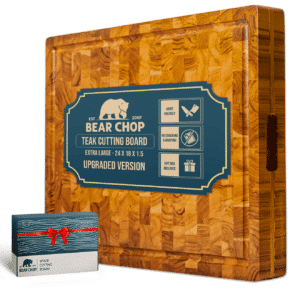
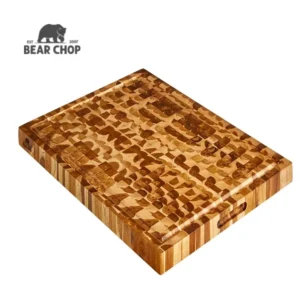
End grain cutting boards are crafted by placing the wood fibers upright, creating a surface where the end of the wood grain is exposed. This unique construction sets them apart from standard edge grain boards. The result is a highly durable, self-healing surface that’s as functional as it is beautiful.
One of the most remarkable aspects of end grain boards is their ability to "self-heal." When you cut into the surface, the knife separates the wood fibers rather than slicing through them. Once the knife is removed, the fibers naturally close back up, reducing visible marks and prolonging the board’s lifespan.
End grain cutting boards are designed to withstand heavy-duty chopping and slicing. The upright wood fibers absorb the impact of knife cuts, making them resistant to cracks and warping over time.
Thanks to their soft cutting surface, end grain boards are exceptionally knife-friendly. They help preserve the sharpness of your blades, making them a favorite among chefs and cooking enthusiasts.
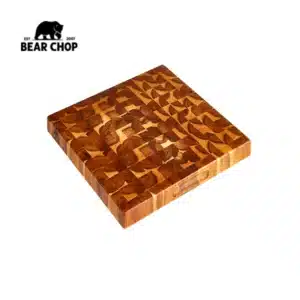
The checkerboard or mosaic-like patterns of end grain boards add a touch of elegance to any kitchen. Whether you’re preparing meals or using them as serving platters, they double as functional art pieces.
From chopping meat to dicing vegetables, end grain cutting boards can handle it all. Their robust construction makes them ideal for both professional kitchens and serious home cooks.
While end grain cutting boards may have a higher upfront cost, their longevity makes them a worthwhile investment. With proper care, these boards can last for decades, offering unmatched durability compared to plastic or even edge grain boards.
If you care about sustainability, end grain cutting boards made from FSC-certified Teak or Acacia wood are excellent choices. These woods are responsibly sourced, ensuring minimal environmental impact.
Both Teak and Acacia are top contenders for end grain cutting boards. As highlighted in our Ultimate Guide to the Best Wood for End Grain Cutting Boards: Teak vs. Acacia Showdown, each wood has its own unique strengths. Here’s a quick comparison:
For a more detailed comparison, check out our full article, Teak vs. Acacia Showdown, where we dive deeper into the pros and cons of each wood type.
Wash with warm water and mild soap after each use. Avoid soaking the board or using the dishwasher, as excess moisture can damage the wood.
Apply food-safe mineral oil or cutting board conditioner every few weeks. This keeps the wood hydrated and prevents cracking.
Pat dry with a clean towel immediately after washing. Allow the board to air dry upright to prevent water from pooling.
Keep the board away from direct sunlight or heat sources, which can cause warping. Do not use the board as a trivet for hot pots or pans.
If you’re unsure whether an end grain cutting board is right for you, here’s a quick comparison with edge grain boards:
While edge grain boards are more affordable, end grain boards are the superior choice for serious cooks who value durability and aesthetics.
End grain cutting boards are a perfect combination of functionality, durability, and elegance. Whether you choose Teak for its water resistance or Acacia for its stunning grain patterns, these boards will elevate your cooking experience. For more insights into choosing the best wood for your board, don’t forget to check out our detailed guide, Ultimate Guide to the Best Wood for End Grain Cutting Boards: Teak vs. Acacia Showdown.
Invest in a high-quality end grain cutting board today and experience the difference it makes in your kitchen!