


When it comes to choosing a cutting board for your kitchen, one of the most frequently asked questions is, “Are wood cutting boards safe?” The answer is more complex than a simple yes or no, as it depends on several factors such as the material quality, maintenance, and hygiene practices. In this article, we’ll break down why wood cutting boards can be a safe and durable option for food preparation, especially when made from high-quality materials like those from BearChop.
Are Wood Cutting Boards Safe?
Yes, wooden cutting boards can be very safe, provided they are properly maintained. Wood has natural antibacterial properties that make it more resistant to bacteria growth compared to other materials. Studies have shown that bacteria tend to sink into the grooves of a wood cutting board rather than proliferating on its surface, which is different from plastic cutting boards where bacteria can remain on top.
Plastic Vs. Wood Cutting Board: Why Are Wooden Cutting Boards Safer?
While plastic cutting boards are often marketed as easy to sanitize, they actually pose certain risks when compared to wooden cutting boards. Plastic boards tend to develop deep grooves from knife marks, creating the perfect breeding ground for bacteria. Although plastic can be washed with hot water and disinfected, it may still harbor harmful germs in these grooves. This raises the question, “Are Wood Cutting Boards Safe?” The answer is yes. Wooden boards, especially when properly maintained, offer a safer and more hygienic surface for food prep.
What Is the Best Way to Clean a Wooden Cutting Board?
Proper cleaning is essential to ensuring that your wooden cutting board remains safe for food preparation. Here’s how you can keep your board in top condition:
Basic Cleaning
After each use, wash your wooden cutting board with warm water and a small amount of mild dish soap. Avoid soaking it in water for extended periods as this can cause the wood to swell and crack. Dry the board immediately with a towel to prevent water damage.
Disinfection
For disinfection, you can use a mixture of water and white vinegar or hydrogen peroxide. Simply wipe the surface with a cloth soaked in the solution, and let the board air dry. For added protection against bacteria, apply food-safe mineral oil or beeswax to your board regularly. This will maintain its appearance and prolong its lifespan.
Are You Looking for a Safe, Durable Wooden Cutting Board?
If you’re in the market for a safe wooden cutting board, look no further than BearChop. Our boards are not only durable and beautifully crafted but are also designed with your health in mind. We offer a variety of cutting boards, from the versatile BearChop Acacia Wood Cutting Board to the luxurious BearChop Extra Large End Grain Teak Cutting Board, all made from FSC-certified, responsibly sourced wood.
The Healthiest Cutting Board: BearChop’s Commitment to Safety and Quality
When it comes to the healthiest cutting board options, BearChop is committed to providing products that go above and beyond. Our cutting boards use cutting-edge technology to reduce the risk of bacterial contamination, while our sustainable wood sourcing ensures that each product is eco-friendly and safe for your family.
What Is the Best Wood for a Cutting Board?
The type of wood used in your cutting board plays a significant role in its safety and durability. Some of the best woods for cutting boards include:
Top 7 Best Woods for a Cutting Board
Wood cutting boards are not only safe but also highly practical and sustainable when used and maintained properly. If you’ve been wondering, “Are Wood Cutting Boards Safe?”, the answer is yes. Choosing the right type of wood ensures safety and longevity in the kitchen. Here’s a look at the best options:

Teak: Known for its durability and natural oils, teak is an excellent choice for a cutting board. The oils in teak help resist moisture and bacteria, making it a safe and long-lasting option for your kitchen.

Acacia: A dense and sturdy hardwood, acacia is naturally resistant to bacteria and fungi. This makes acacia a great option for a safe, hygienic cutting board that will stand the test of time.

Maple: A traditional favorite, maple is gentle on knives while being durable enough for regular use. It’s safe for all types of food preparation and helps maintain the sharpness of your knives.
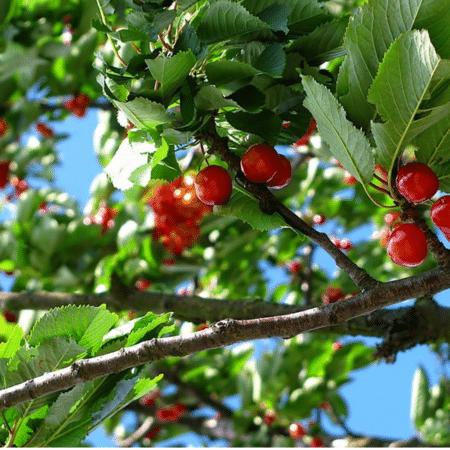
Cherry: A beautiful wood that darkens over time, cherry is also highly durable. It’s safe to use and adds a touch of elegance to your kitchen while offering excellent resistance to knife marks.

Walnut: Known for its rich color and durability, walnut cutting boards are a great choice for both aesthetics and performance. Walnut’s dense grain makes it a safe and long-lasting material for daily use.

Bamboo: Although technically grass, bamboo is another eco-friendly choice that is durable and knife-friendly. It’s safe to use, sustainable, and easy to maintain.
BearChop focuses on using only the finest acacia and teak for our boards, ensuring a safe and sustainable product that will last for years.
Tips for Maintaining Your Wooden Cutting Board
To keep your wooden cutting board safe and in excellent condition, consider these maintenance tips:
Regularly Oil Your Board
With food-safe mineral oil or beeswax to prevent cracking and drying.
Clean Promptly After Use
To avoid food particles from settling in the wood grain.
Store Properly
Keep your cutting board in a dry, cool place, away from direct sunlight or excessive moisture.
The Benefits of Using a Wooden Cutting Board
When deciding on the best cutting board, many people turn to wooden cutting boards for their numerous benefits. Here are just a few reasons why wood is considered one of the best materials for cutting boards:
Natural Antibacterial Properties
Wood has natural antibacterial properties that make it an excellent choice for kitchen use. Unlike plastic boards that can trap bacteria in their grooves, wood has the ability to absorb bacteria, which can then be neutralized over time.
Knife-Friendly Surface
Wood is a softer material compared to materials like glass or ceramic, which means it is gentle on your knives. Wooden cutting boards won’t dull your knife blades as quickly, making them an excellent choice for anyone who values the longevity of their kitchen knives.
Aesthetic Appeal
In addition to their functionality, wooden cutting boards are visually appealing and add a touch of elegance to any kitchen. The natural grain patterns and warm tones of wood create a beautiful contrast against your kitchen counter.
Are Bamboo Cutting Boards Safe?
Bamboo has gained popularity as an alternative to traditional wood cutting boards due to its eco-friendly properties and durability. But are bamboo cutting boards safe? The answer is yes—when properly maintained, bamboo boards are safe for food prep.
Bamboo is a dense material, and like hardwoods, it resists knife marks and bacteria growth. However, it’s essential to choose bamboo cutting boards that are certified to ensure they were sourced from sustainable forests, just like BearChop’s products.
Why Choose BearChop Wooden Cutting Boards?
At BearChop, we believe that a cutting board is more than just a kitchen accessory—it’s an investment in your cooking experience. You might be asking yourself, “Are Wood Cutting Boards Safe?” The answer is yes! Our BearChop cutting boards offer safety, durability, and sustainability, making them the perfect choice for your kitchen.
Premium Quality Materials
Our boards are made from top-tier woods such as acacia and teak, ensuring superior durability and long-lasting performance. With the right care, wooden cutting boards are safe and offer an excellent surface for food preparation.
Safe and Sustainable Design
We care about the environment and your health. That’s why all BearChop cutting boards are made from responsibly sourced, FSC-certified wood. By choosing BearChop, you’re making an eco-friendly choice that supports sustainable forestry practices, ensuring that your cutting board is safe for both you and the planet.
Easy to Maintain
Our cutting boards come with clear instructions on how to care for them, ensuring they remain hygienic and safe for food preparation. Proper maintenance helps keep your cutting board in top condition, making it a reliable, safe, and long-lasting tool for your kitchen.
Wooden Cutting Boards vs. Other Materials: Which One is Right for You?
When choosing a cutting board, it’s important to compare the different materials available to make an informed decision. Here’s how wooden cutting boards compare to other popular materials:
Wood vs. Plastic

Plastic cutting boards are easy to clean, but they develop grooves that can trap bacteria over time. While wooden cutting boards require a little more care, they have natural antibacterial properties that make them a safer choice. If you’re asking yourself, “Are Wood Cutting Boards Safe?”, the answer is yes! With proper maintenance, wooden boards are a hygienic and safe option for your kitchen.
Wood vs. Glass
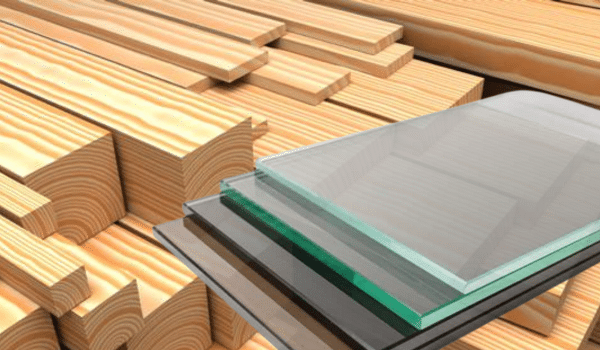
Glass cutting boards are sleek and easy to clean but can be tough on knives, causing them to dull faster. Glass is also slippery, which increases the risk of accidents while chopping. In contrast, wooden boards provide a stable surface that’s safer to work on. So, when considering “Are Wood Cutting Boards Safe?”, wood offers a safer, more stable surface that won’t slide around while you chop.
Wood vs. Marble

Marble boards look beautiful but are heavy, and they can dull your knives quickly. They’re also not as forgiving as wood, and their cold surface isn’t ideal for all types of food prep. If you’re concerned about whether “Are Wood Cutting Boards Safe?”, they offer the versatility and durability that marble just can’t match, making them a long-lasting and knife-friendly choice.
How to Choose the Right Wooden Cutting Board for Your Kitchen
With so many different options available, choosing the right wooden cutting board can be overwhelming. Here are some tips to help you make the best decision for your kitchen:
Consider the Size
If you’re cooking for a family or preparing large meals, opt for a bigger cutting board. If you need something more compact for small tasks, a medium-sized or small board may be sufficient.
Wood Type Matters
Acacia and teak are two of the most popular woods used in cutting boards. Acacia is affordable, durable, and resistant to water, while teak offers a luxurious finish and natural oils that keep it resistant to bacteria.
End Grain vs. Edge Grain
End grain cutting boards are made by arranging the wood’s end pieces together, creating a more durable and knife-friendly surface. Edge grain boards, which are made by arranging the wood’s side pieces together, are typically less expensive but still high-quality.
FAQs
Are Wood Cutting Boards Safe for Meat?
Yes, wood cutting boards are safe for meat, but make sure to clean and sanitize them after use.
How Can I Prevent Bacteria Growth on My Wood Cutting Board?
To prevent bacteria growth on your wood cutting board, clean it immediately after use and oil it regularly with food-safe mineral oil.
How Long Do Wood Cutting Boards Last?
With proper care, wood cutting boards can last a lifetime, providing long-term durability.
Are Bamboo Cutting Boards Safer Than Wood Cutting Boards?
Bamboo is safe, but wood cutting boards made from acacia or teak are gentler on knives and more durable.
Can I Use Wood Cutting Boards for All Types of Food?
Yes, wood cutting boards are safe and versatile for all types of food, including fruits, vegetables, and meats.
Final Thoughts: Are Wood Cutting Boards Safe?
So, are wood cutting boards safe? With the right care and maintenance, yes, they are not only safe but also an excellent choice for your kitchen. Wooden cutting boards, particularly those crafted by BearChop, offer durability, functionality, and a touch of elegance to your food prep routine.
At BearChop, we’re committed to providing you with the safest, highest-quality wooden cutting boards that are made to last. From our eco-friendly materials to our dedication to craftsmanship, BearChop offers cutting boards that are as strong and reliable as the bears that inspired them.
Choose BearChop today for a safer, more sustainable, and beautiful kitchen experience!