


When it comes to choosing a non-toxic wood cutting board for your kitchen, safety and durability are key. In 2025, there are a variety of top choices that not only ensure a healthier cooking environment but also provide long-lasting, knife-friendly surfaces. Whether you’re slicing vegetables, prepping meat, or chopping fruits, using a non-toxic board is crucial for maintaining both food safety and your kitchen’s hygiene.
In this overview, we’ll guide you through the safest non-toxic wood cutting boards available, including the best wood for end grain cutting boards, which are particularly known for their self-healing properties and knife protection. Additionally, we’ll introduce BearChop, a brand that stands out for its commitment to quality, sustainability, and health-conscious products, offering a range of cutting boards made from responsibly sourced, non-toxic wood that you can trust.
How We Tested
To determine the best non-toxic wooden cutting boards, we conducted a thorough testing process, focusing on key aspects that affect performance, safety, and long-term usability. Our goal was to identify boards that are not only safe but also durable, functional, and easy on knives.
Key Testing Criteria:
- Materials: We analyzed the types of wood used, ensuring they are non-toxic, r esponsibly sourced, and suitable for food preparation. Hardwoods like maple, walnut, and teak were prioritized for their resilience and safety.
- Construction: We evaluated the craftsmanship of each board, looking for tight joints, smooth surfaces, and an absence of toxic glues or finishes that could leach into food.
- Bacterial Resistance: Each board underwent tests for moisture absorption, warping, and bacterial growth. We focused on how well the boards resisted bacterial contamination, especially after handling raw meat, as a cutting board’s ability to be sanitized properly is critical to food safety.
- Suitability for Meat Prep: As raw meat preparation is a major concern in kitchens, we specifically tested how each board handled cutting, slicing, and carving meat, looking for ease of cleaning and how the board maintained its integrity with regular use.
Through this comprehensive testing process, we’ve selected only the best non-toxic wood cutting boards that excel in these crucial areas, ensuring they are safe, effective, and durable for everyday use.
What Materials to Avoid in Cutting Boards
Choosing the right cutting board material is essential for food safety, durability, and ease of maintenance. Here are materials to avoid:
Plastic
Plastic cutting boards can leach microplastics and BPA into your food, posing long-term health risks. As plastic boards develop deep grooves from knife marks, they also trap bacteria, making them difficult to clean and sanitize properly. Over time, this increases the risk of cross-contamination, especially when preparing raw meats or produce.
Composite Wood
Composite wood boards are made from a mixture of wood fibers and adhesives, many of which contain formaldehyde or other harmful chemicals. These adhesives can off-gas over time, releasing toxic fumes that can contaminate the air and your food. The chemicals can be absorbed into the wood, making composite boards unsuitable for a food-safe kitchen environment.
Glass
While glass cutting boards may look sleek, they are not ideal for food prep. Glass is slippery, which makes it difficult to keep your food in place while cutting. Additionally, glass boards are highly prone to cracking under pressure, which can result in sharp shards that could cause injury. The hard surface also causes knives to dull faster, making them less practical for regular use.
Cheap Bamboo Boards
Cheap bamboo cutting boards often contain toxic adhesives like formaldehyde, which are used to bind the bamboo fibers together. These adhesives can leach harmful chemicals into food, especially when the board is exposed to heat or moisture. Always choose certified organic bamboo boards that are free from harmful adhesives and chemicals to ensure your cutting surface is safe for food prep.
Painted or Dyed Wooden Boards
Painted or dyed wooden cutting boards may look attractive, but they can contain lead, cadmium, and other toxic metals in the paints or dyes used. These substances can leach into your food when the board is scratched or worn. To avoid these risks, opt for unfinished wood or boards treated with natural, food-safe finishes like beeswax or mineral oil.
Softwood Boards
Softwood boards, like those made from pine, are more porous than hardwoods and absorb moisture easily, which makes them a breeding ground for bacteria. This moisture absorption can lead to warping and cracks over time, which makes cleaning and sanitizing more difficult. For a safer and more durable option, stick with hardwoods such as maple, walnut, or teak, which are more resistant to bacteria and offer a longer lifespan.
By avoiding these materials and opting for non-toxic wood cutting boards made from safe, durable options like maple or teak, you’ll ensure a cleaner, safer kitchen while preserving your knives and reducing the risk of contamination.
The Best & Safest Woods for Cutting Boards
Choosing the right wood for your non-toxic wood cutting board is crucial for both food safety and longevity. Below are some of the best and safest woods that provide excellent antimicrobial properties, durability, and easy maintenance for your kitchen.
| Wood Type | Hardness | Bacteria Resistance | Knife Friendly | Maintenance | Eco-Friendly |
|---|---|---|---|---|---|
| Maple | Medium-Hard | High | Very Good | Moderate | Yes |
| Walnut | Medium | High | Excellent | Moderate | Yes |
| Cherry | Medium | High | Very Good | Moderate | Yes |
| Beech | Medium-Hard | High | Good | High | Yes |
| Acacia | Hard | High | Moderate | Low | Yes |
| Teak | Very Hard | Very High | Moderate | Low | No (Often Imported) |
| Bamboo | Very Hard | High | Moderate | Low | Yes (if organic) |
Maple Wood
Maple is considered one of the best woods for a non-toxic wood cutting board due to its tight grain structure and natural antimicrobial properties. The wood’s durability ensures it can withstand heavy use without absorbing moisture or bacteria. Maple is easy on knives, preventing them from dulling quickly while still offering a reliable, long-lasting surface for food prep. It’s one of the most popular choices for both end grain cutting boards and butcher blocks.
Walnut
Walnut is renowned for its rich color and elegant appearance. It’s also highly resistant to bacteria, making it a top choice for a non-toxic wood cutting board. Walnut has a naturally dense grain, which resists moisture and bacterial growth while still being gentle on knives. Its beauty, combined with durability, makes it a favorite for those looking for a stylish and practical cutting board.
Cherry
Cherry wood is a fine-grained hardwood known for its resistance to moisture and its ability to develop a beautiful patina over time. It’s not only moisture-resistant but also bacteria-resistant, making it a safe and visually appealing option for food prep. While it’s softer than maple, it still provides an excellent balance of durability and knife care, making it ideal for regular use.
Beech
Beech is a durable, high-quality wood that’s perfect for cutting boards due to its tight grain and ability to resist knife marks. Beech is strong enough to withstand regular use while remaining gentle on knives, making it an excellent choice for a non-toxic cutting board. Its natural antimicrobial properties also help reduce bacterial growth, ensuring a safe food prep surface.
Acacia
Acacia is a dense, sustainable hardwood known for its water-resistant properties. It’s a great option for a non-toxic wood cutting board because it resists moisture and bacteria naturally. Acacia wood is also a great eco-friendly choice due to its rapid growth rate, making it a more sustainable option compared to other hardwoods. Its natural durability and resistance to warping make it a low-maintenance choice for kitchen cutting boards.
Read more about acacia wood: https://bearchopkitchen.com/post/is-acacia-wood-good-for-cutting-boards/
Teak
Teak is one of the most water-resistant woods, making it ideal for non-toxic wood cutting boards that require low maintenance. Thanks to its high natural oil content, teak is resistant to moisture, bacteria, and warping, ensuring long-lasting durability. Though teak is harder on knives compared to softer woods like walnut or cherry, it’s still an excellent choice for cutting boards due to its resilience and ease of care.
Organic Bamboo Cutting Boards
Bamboo is technically a grass, but its natural sustainability and bacteria-resistant properties make it an ideal choice for non-toxic wood cutting boards. When choosing bamboo, it’s essential to select organic bamboo boards, as cheaper versions may be treated with harmful adhesives. Organic bamboo boards are lightweight, easy to maintain, and provide a strong, durable surface for cutting. Additionally, bamboo’s fast-growing nature makes it an environmentally friendly option for those seeking sustainable alternatives to hardwood cutting boards.
BONUS: Epicurean Cutting Board
Epicurean cutting boards are made from paper composite materials, offering an eco-friendly and food-safe alternative to traditional wood. Although not technically wood, Epicurean boards are durable, non-porous, and dishwasher safe, making them easy to clean and maintain. They are a great option for those who prefer a low-maintenance board that doesn’t require the care associated with wooden cutting boards. Despite being made from composite materials, Epicurean boards are still food-safe and offer a practical solution for modern kitchens.
These best woods for non-toxic wood cutting boards provide durability, resistance to bacteria, and knife-friendliness, making them excellent choices for anyone looking for a safe and long-lasting cutting surface. Whether you choose maple, walnut, or acacia, each of these options ensures a cleaner, more sustainable kitchen for your food prep needs.
Woods to Avoid for Meat Cutting Boards
When choosing a non-toxic wood cutting board for meat prep, it’s essential to avoid woods that are too porous, soft, or prone to bacteria buildup. Some woods absorb too much moisture, making them a breeding ground for bacteria like Salmonella and E. coli.
The worst woods for meat cutting boards include:
- Pine – Too soft, absorbs moisture, and develops deep knife grooves.
- Cedar – Highly porous, retains odors, and promotes bacterial growth.
- Oak – Open grain structure allows meat juices to seep in, making sanitation difficult.
- Ash & Redwood – Soft, prone to warping, and can harbor bacteria.
For safe meat preparation, it’s best to choose non-toxic wood cutting boards made from dense, closed-grain hardwoods like teak, walnut, maple, or acacia. These woods resist moisture and bacteria while providing a durable, knife-friendly surface.
7 Safest Non-Toxic Wood Cutting Boards for Meat in 2025
If you’re looking for the best non-toxic wood cutting board for meat prep, these are the top-rated, safest options that provide durability, food safety, and longevity.
1. BearChop Extra Large End Grain Teak Cutting Board
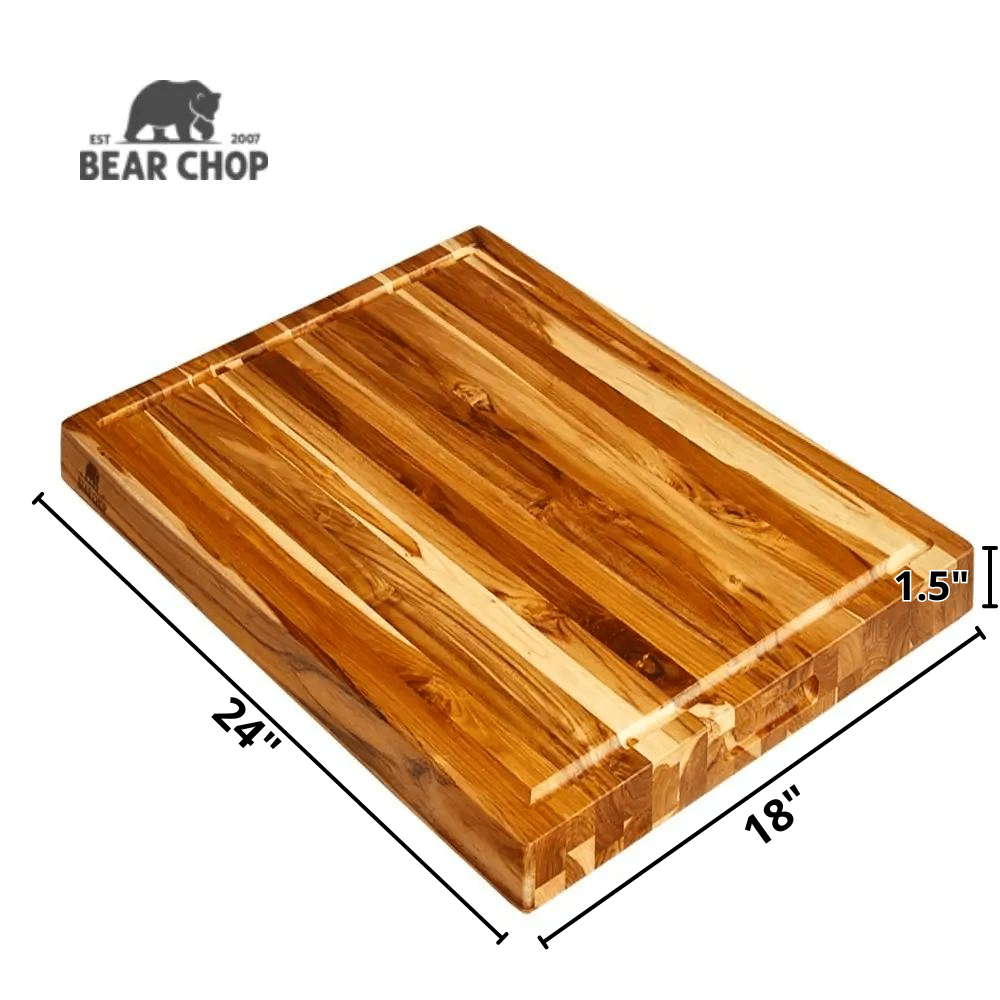
✔ Size: 24 x 18 x 1.5 inches
✔ Price: $119.99
✔ Features: High-quality end-grain teak, water-resistant, knife-friendly, and self-healing.
✔ Why it’s great: Large surface perfect for meat and vegetable prep, highly durable, and naturally antibacterial.
2. Virginia Boys Kitchen Made in USA Walnut Wood Cutting Board
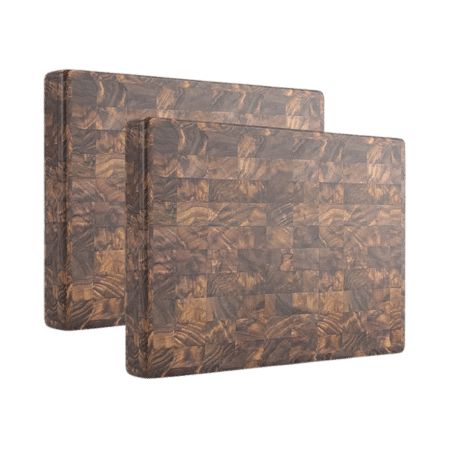
✔ Size: 18 x 14inches
✔ Price: $100
✔ Features: Sustainably sourced walnut, reversible, pre-treated with food-safe oil.
✔ Why it’s great: Non-toxic wood cutting board that’s gentle on knives and easy to maintain.
3. Teakhaus Reversible Teak Cutting Board
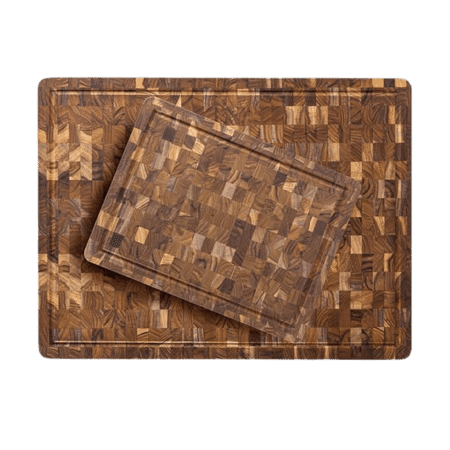
✔ Size: 16 x 12 inches
✔ Price: $72.99
✔ Features: Durable edge-grain teak, reversible, built-in juice groove for meat juices.
✔ Why it’s great: Ideal for cutting and carving meats, thanks to its moisture resistance and durability.
4. GAOMON Large Acacia Wood Cutting Board
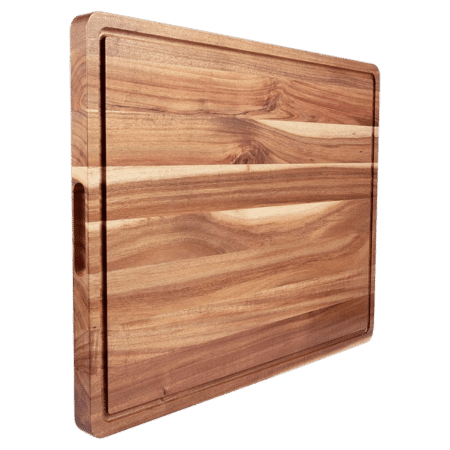
✔ Size: 20 x 15 inches
✔ Price: $35.99
✔ Features: Dense acacia wood, natural water resistance, large prep area.
✔ Why it’s great: Budget-friendly, non-toxic wood cutting board, ideal for large meal prep.
5. Sonder Los Angeles USA-Made Walnut Wood Cutting Board
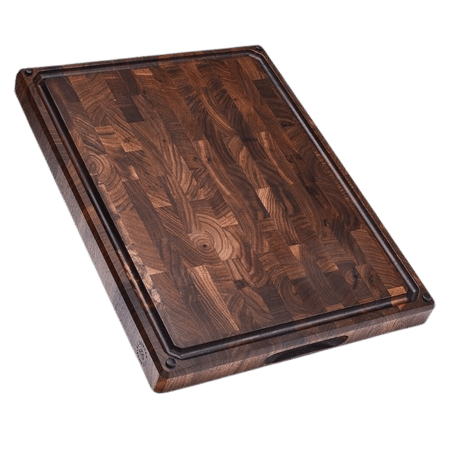
✔ Size: 17 x 13 inches
✔ Price: $159.95
✔ Features: End-grain walnut, built-in compartments, sturdy rubber feet for stability.
✔ Why it’s great: Premium non-toxic wood cutting board with knife protection and long-term durability.
6. Ziruma Non-Toxic Cutting Boards Set
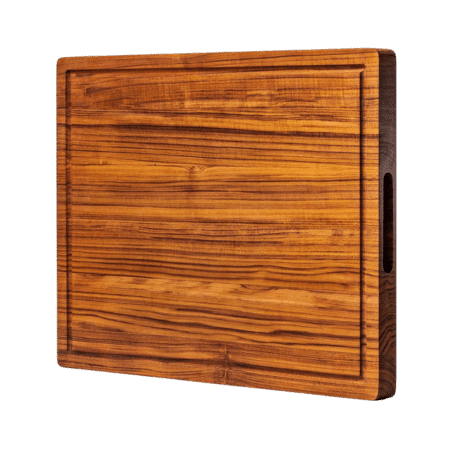
✔ Size: Set includes large, medium, and small boards
✔ Price: $52.95
✔ Features: FSC-certified acacia, beeswax finish, moisture-resistant.
✔ Why it’s great: Versatile non-toxic cutting board set, perfect for meat, vegetables, and cheese.
7. WoodForChef American Cherry Wood Cutting Board
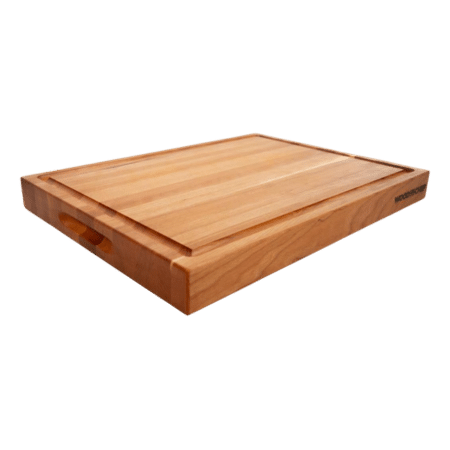
✔ Size: 16 x 12 inches
✔ Price: $74.95
✔ Features: FSC-certified cherry wood, pre-seasoned with mineral oil and beeswax.
✔ Why it’s great: Sustainable non-toxic wood cutting board, naturally antimicrobial, and perfect for meats and veggies.
BONUS: Epicurean Gourmet Series Cutting Board
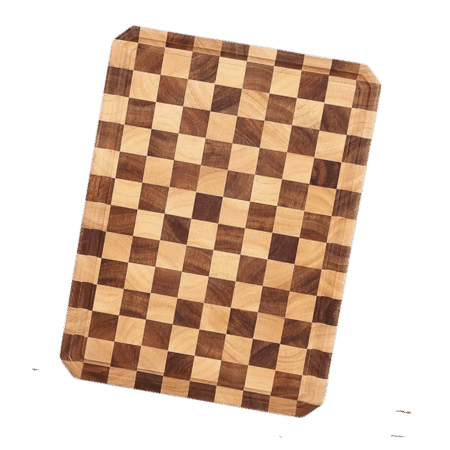
✔ Size: 14.5 x 11.25 inches
✔ Price: $61
✔ Features: Paper composite material, non-porous, dishwasher-safe.
✔ Why it’s great: Low-maintenance non-toxic cutting board that’s food-safe and easy to clean.
Why Choose a Non-Toxic Wood Cutting Board for Meat?
Using a non-toxic wood cutting board ensures a safer, more hygienic food prep surface. Hardwoods like teak, walnut, and acacia naturally resist bacteria and moisture, while end-grain construction provides a gentle, durable surface for knives.
Best Non-Toxic Wood Cutting Board Oil
To keep your non-toxic wood cutting board in top condition, regular oiling is essential. The best options include food-grade mineral oil, which prevents drying and cracking, and beeswax, which adds a protective moisture barrier. Fractionated coconut oil is a natural, antibacterial alternative, while tung oil and carnauba wax provide a durable, long-lasting finish. For best results, oil your cutting board once a month or whenever it looks dry to maintain its water resistance and longevity.
Best Non-Toxic Wood Cutting Board Cleaner
Keeping your non-toxic wood cutting board clean is crucial for food safety. The best natural cleaners include white vinegar, which disinfects and removes odors, and lemon with coarse salt, which helps lift stains and bacteria. Baking soda is also great for deep cleaning, while hydrogen peroxide (3%) sanitizes without harsh chemicals. To clean, scrub with your chosen cleaner, rinse with warm water, and dry immediately to prevent warping. Regular maintenance keeps your cutting board safe, odor-free, and long-lasting.
What to Look for in a Safe Wood Cutting Board
Choosing the right non-toxic wood cutting board ensures food safety, durability, and ease of maintenance. Here’s what to consider:
- Size & Thickness – Pick a non-toxic wood cutting board that fits your kitchen space and cooking needs. Thicker boards (1.5”+) last longer and resist warping, while thinner boards are easier to store.
- End Grain vs. Edge Grain vs. Face Grain – End grain boards are self-healing and knife-friendly, edge grain is durable and cost-effective, while face grain is best for light-duty tasks.
- Maintenance – Hardwoods like teak, walnut, and maple require occasional oiling, while softer woods need more frequent care.
- Price vs. Longevity – Investing in a high-quality cutting board saves money long-term, as cheaper boards wear out faster.
- Sustainability – Opt for FSC-certified wood, ensuring responsible sourcing and an eco-friendly kitchen.
A well-chosen non-toxic wood cutting board provides a safe, durable, and sustainable surface for food prep.
How to Properly Care for Your Non-Toxic Wood Cutting Board
Proper care extends the life of your non-toxic wood cutting board, keeping it safe and durable for years.
- Cleaning Best Practices – Hand wash with warm water and mild soap, then dry immediately to prevent moisture absorption. Never soak or put it in the dishwasher.
- Sanitizing Methods Without Toxic Chemicals – Use white vinegar, lemon with salt, or hydrogen peroxide to kill bacteria naturally without harsh chemicals.
- How to Prevent Warping & Cracking – Store your board upright in a dry area, avoid excessive heat or moisture, and apply food-safe mineral oil regularly.
- How to Fix a Warped or Cracked Cutting Board
- To Fix a Warped Board – Dampen the concave side slightly, place it under a heavy object, and let it rest for 24-48 hours.
- To Fix a Cracked Board – Fill small cracks with food-safe wood glue, sand smooth, and reapply cutting board oil to restore its finish.
With regular maintenance, a non-toxic wood cutting board stays hygienic, durable, and long-lasting in your kitchen.
Read the cutting board care details: https://bearchopkitchen.com/post/acacia-wood-cutting-board-care/
FAQs About Non-Toxic Wood Cutting Boards
What should you not cut on a wooden cutting board?
Avoid cutting raw meat, fish, and poultry on a wooden board unless it’s properly sanitized after use. Acidic foods like lemons and tomatoes can also degrade the surface over time.
Which is safer: wood or plastic cutting boards?
A non-toxic wood cutting board is generally safer than plastic because it resists deep knife grooves where bacteria can hide. Hardwoods like maple and walnut also have natural antibacterial properties.
What type of wood is best for cutting meat?
Teak, walnut, and maple are excellent choices for non-toxic wood cutting boards used for meat, as they are dense, moisture-resistant, and easy to sanitize. End grain boards are especially good for heavy chopping.
How often should I oil my cutting board?
For best results, oil your non-toxic wood cutting board once a month or whenever it looks dry. If you use it daily, weekly oiling with food-grade mineral oil helps maintain its durability.
How do I remove strong odors from my board naturally?
Sprinkle baking soda or coarse salt over the board, rub with half a lemon, let sit for a few minutes, then rinse with warm water. Vinegar also works as a natural deodorizer.