


Acacia wood cutting boards are an essential tool in any kitchen, valued for their durability, beautiful grain, and natural antibacterial properties. They are not only functional but also add a touch of elegance to your culinary space. However, like any kitchen tool, proper care and maintenance are crucial to ensuring these boards remain in top condition for years to come. Without the right attention, acacia wood boards can suffer from cracks, stains, odors, or warping. Therefore, regular cleaning, oiling, and mindful storage are key to preserving the board’s integrity, hygiene, and aesthetic appeal. Learning how to clean acacia wood cutting board properly is an essential part of keeping it in optimal condition.

At BearChop, we understand the importance of high-quality materials and craftsmanship. As a trusted brand, we pride ourselves on offering premium acacia cutting boards that combine functionality with beauty. Our boards are made from sustainably sourced acacia wood, ensuring both durability and eco-friendliness. With advanced drying and steaming techniques, BearChop boards eliminate 99.9% of bacteria and mold, offering a healthier, safer cutting surface for your kitchen.
In this guide, we’ll walk you through the essential steps for cleaning, oiling, and maintaining your acacia cutting board. By following these expert tips, including how to clean acacia wood cutting board, you’ll not only keep your BearChop board looking beautiful but also ensure it remains a long-lasting, hygienic kitchen companion. Whether you’re a professional chef or a home cook, these maintenance techniques will help you get the most out of your cutting board for years to come.
Understanding Acacia Wood Cutting Boards
Why Choose Acacia Wood?
Acacia wood is highly durable and naturally beautiful, making it an ideal material for cutting boards. Its antibacterial properties reduce bacteria growth, while its dense, scratch-resistant surface withstands regular use and knife marks. The closed-grain structure prevents liquid absorption, maintaining hygiene, freshness, and preventing odors or stains. Acacia also resists warping, cracking, and shrinking, ensuring long-lasting durability and stability. Its rich tones, polished finish, and unique grain add elegance and sophistication to any kitchen.
Why BearChop’s Acacia Cutting Boards Stand Out
At BearChop, we use only sustainably sourced acacia wood from FSC-certified forests, ensuring high quality and environmental responsibility. Our boards are crafted with precision, combining expert craftsmanship and advanced drying techniques to enhance the wood’s natural properties. We eliminate 99.9% of bacteria and mold, ensuring a hygienic and safe cutting surface for your kitchen.
Benefits of Acacia Wood for Cutting Boards
Acacia wood offers a multitude of benefits, making it a popular choice for cutting boards. Here are some key advantages:
- Durability: Acacia is one of the toughest hardwoods available, meaning it can withstand heavy chopping, slicing, and dicing without showing significant signs of wear.
- Resistance to Scratches: The dense surface of acacia wood resists knife marks, making it perfect for daily use in the kitchen.
- Aesthetic Appeal: The natural grain and rich, warm color of acacia enhance the look of any kitchen, adding both style and function.
- Affordability: Compared to other premium hardwoods, acacia is relatively affordable, making it an excellent choice for high-quality cutting boards at a reasonable price.
- Sustainability: As a renewable resource, acacia wood is an environmentally friendly option, especially when sourced from responsibly managed forests, such as those certified by FSC.
Choosing acacia wood for your cutting board ensures you get a beautiful, durable, and sustainable product that can handle the demands of your kitchen while maintaining its elegance over time.
How to Clean Acacia Wood Cutting Board Properly
1. Wash Immediately After Use
To maintain the beauty and longevity of your acacia wood cutting board, it’s essential to clean it immediately after each use. The longer food residue and liquids sit on the board, the more difficult they become to remove, and the higher the risk of bacteria buildup.

Steps for Immediate Cleaning:
✔ Use warm soapy water and a soft sponge to clean: Gently scrub the board with warm water and mild dish soap. A soft sponge is perfect to avoid damaging the wood while effectively removing food residues.
✔ Avoid soaking: Soaking your acacia wood cutting board in water can weaken the wood over time, leading to warping or cracking. Always clean the board quickly and avoid letting it sit in water.
✔ Never use the dishwasher: Dishwashers are too harsh for wooden cutting boards. The high heat and moisture in dishwashers can cause the wood to expand and contract, leading to cracks and splitting. Always hand wash your acacia wood cutting board to maintain its strength and appearance.
2. Remove Stains and Odors Naturally
Even with regular cleaning, your acacia wood cutting board may develop stains or pick up lingering odors from certain foods. Luckily, there are natural methods to address these issues without damaging the board.

Stain Removal Methods:
✔ Lemon & Salt Scrub: For light stains, sprinkle coarse salt onto the surface of the board and rub half a lemon over it. The acidity of the lemon, combined with the abrasiveness of the salt, will lift stains and freshen the wood.
✔ Baking Soda Paste: For deeper stains, mix baking soda with a little water to create a paste. Apply this mixture to the stained areas and gently scrub it into the wood. Baking soda is mildly abrasive and works to lift stubborn stains while also neutralizing odors.
Odor Removal Methods:
✔ White Vinegar Solution: To remove odors, mix equal parts white vinegar and water. Wipe down the surface of your board with this solution to eliminate unwanted smells and kill bacteria.
✔ Hydrogen Peroxide: Hydrogen peroxide is a great natural disinfectant. Apply it lightly to the board to kill bacteria and neutralize any lingering odors, especially if you’ve been cutting garlic, onions, or fish.
3. Drying Your Cutting Board Properly
Proper drying is as important as cleaning when it comes to maintaining the integrity of your acacia wood cutting board. Improper drying can lead to swelling, cracking, or mold growth.

Steps for Drying:
✔ Pat the board dry with a clean towel: After washing, use a clean, dry towel to gently blot the board, removing excess water. This ensures that the wood doesn’t absorb too much moisture.
✔ Stand the board upright to air dry: Place the board upright in a well-ventilated area to allow air to circulate around it. This will help the board dry evenly and prevent moisture buildup, which can lead to warping or mold growth. Avoid leaving the board flat on a surface, as it may trap moisture beneath it.
By following these steps on how to clean acacia wood cutting board, you’ll ensure that your board remains in top condition, both hygienically and aesthetically, while extending its lifespan. Regular cleaning and maintenance will keep it looking beautiful and performing at its best for years.
Oiling Your Acacia Wood Cutting Board
Why Oiling is Important for Your Cutting Board
Oiling your acacia wood cutting board is crucial to maintaining its beauty and durability. Over time, the wood can dry out, crack, and lose its sheen. Applying oil replenishes natural oils, helping the wood stay hydrated, flexible, and smooth. It also preserves the board’s antibacterial properties, preventing food residue from soaking into the grain. Regular oiling creates a protective barrier that resists staining and odors, keeping your cutting board hygienic and visually appealing.
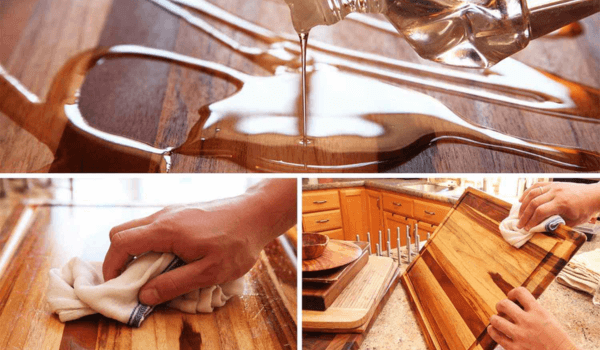
How to Apply Oil to Your Cutting Board
- Use food-grade mineral oil or beeswax: Choose safe, non-toxic oils designed for kitchen use.
- Apply the oil with a soft cloth: Rub the oil into the board in circular motions, covering the entire surface.
- Let it absorb overnight: Allow the oil to soak into the wood fully.
- Wipe off excess oil: After the oil has absorbed, wipe off any remaining oil to leave a smooth, dry surface.
How Often to Oil Your Acacia Cutting Board
- New boards: Oil weekly for the first few months to build a protective layer.
- Older boards: Oil monthly for long-lasting protection. For heavy-use boards, oil more frequently if dryness occurs.
Regular oiling will keep your acacia wood cutting board looking fresh and ensure it lasts for years.
How to Store Acacia Cutting Boards to Prevent Damage
Proper storage is just as crucial as cleaning when it comes to maintaining the longevity and appearance of your acacia wood cutting board. Incorrect storage can lead to warping, cracking, or fading, significantly reducing the board’s lifespan. Understanding how to store your cutting board correctly will help ensure that it remains in top condition and continues to perform well for years.
Why Proper Storage Matters
Improper storage can lead to various issues, including warping and cracking. Acacia wood, while durable, is still susceptible to environmental factors such as excessive moisture, heat, and sunlight. If your cutting board is exposed to these elements for prolonged periods, it can cause the wood to swell, crack, or lose its beautiful color. Storing your acacia wood cutting board in the right conditions is essential to prevent such damage and maintain its integrity.
Storing Your Acacia Cutting Board
✔ Store Upright: Place your acacia wood cutting board upright to allow air circulation, helping it dry faster and preventing warping.
✔ Avoid Humidity & Direct Sunlight: Keep the board away from humid areas and direct sunlight, as moisture can cause swelling and sunlight can fade the wood.
✔ Use a Dry Place: Store the board in a cool, dry location away from heat sources like stoves or ovens to prevent cracking and warping.
Proper storage will help maintain the board’s shape and extend its lifespan.
Rotate Use
To reduce uneven wear and tear on your acacia wood cutting board, it’s a good idea to rotate the sides of the board during use. By flipping the board periodically, you ensure that both sides receive equal exposure to food, moisture, and knife marks, reducing the likelihood of one side becoming overexposed to wear and sunlight. This simple habit can help extend the life of your cutting board and keep it looking fresh for much longer.
Proper storage practices will protect your acacia wood cutting board from unnecessary damage and help maintain its beauty and functionality, making it a reliable tool in your kitchen for years to come.
Preventing Warping, Cracking, and Bacteria Buildup
Preventing Warping
Warping is a common issue for cutting boards, especially if they are exposed to excessive moisture or improper drying methods. When your acacia wood cutting board absorbs too much water, it swells unevenly, causing the wood to warp or bend. To prevent warping, it’s essential to follow the right cleaning and drying practices.
Tips for Preventing Warping:
✔ Store the board in a dry area away from heat: Ensure that your board is not placed near heat sources like stoves or ovens, which can dry out the wood and cause it to warp. Keeping it in a cool, dry place will prevent moisture imbalance.
✔ Always dry the board immediately after washing: After cleaning, always pat your board dry with a clean towel and allow it to air dry standing upright. Avoid leaving it in a damp environment or letting it sit in water for extended periods, as this can cause the wood to absorb too much moisture, leading to warping.
Preventing Cracking
Cracking occurs when the wood dries out and loses its natural moisture. If your acacia wood cutting board is regularly exposed to heat or sunlight, it can become brittle and prone to cracking. This is why proper oiling and storage are critical for keeping your board in good condition.
To prevent cracking, ensure that you oil your cutting board regularly to replenish the natural oils that keep the wood hydrated and flexible. Store your board in a dry, stable environment, and avoid exposing it to direct heat sources or long periods of sunlight.
Preventing Bacteria Buildup
Acacia wood naturally has antibacterial properties that help keep your cutting board hygienic. However, this doesn’t mean you can skip cleaning. Regular cleaning is necessary to prevent bacteria buildup from food residue.
Make sure to clean your acacia wood cutting board immediately after use with warm, soapy water, and dry it properly. You can also use natural disinfectants like vinegar or hydrogen peroxide to sanitize the board and eliminate bacteria. These natural cleaning methods are safe for the wood and ensure that your board stays hygienic, reducing the risk of contamination during food preparation.
BearChop Acacia Cutting Boards: The Best Choice

Premium Craftsmanship
We craft durable, high-quality acacia cutting boards that resist wear, ensuring lasting beauty and functionality.

Health-First Design
BearChop cutting boards eliminate 99.9% of bacteria, with acacia’s natural properties ensuring a safe, hygienic kitchen.

Eco-Friendly Choice
We use FSC-certified acacia wood for a durable, eco-friendly cutting board that supports sustainability.
FAQs on Cleaning Acacia Wood Cutting Boards
Is it safe to put an acacia wood cutting board in the dishwasher?
No, it is not safe to put an acacia wood cutting board in the dishwasher. The high heat and moisture in dishwashers can cause the wood to warp, crack, and lose its natural oils. Always wash your cutting board by hand using warm, soapy water and a soft sponge to maintain its integrity.
How often should I oil my acacia wood cutting board?
For a new acacia wood cutting board, oil it once a week for the first few months to help establish a strong protective layer. For older boards, oiling once a month is typically enough to maintain its hydration and prevent cracking. If the board starts to look dry, you can oil it more frequently.
Can I use bleach to clean my acacia wood cutting board?
It’s best to avoid using bleach on your acacia wood cutting board as it can damage the wood and affect its natural appearance. Instead, use natural cleaning methods like white vinegar, hydrogen peroxide, or mild dish soap for cleaning and sanitizing.
What should I do if my acacia cutting board has a deep stain?
For deep stains, create a paste using baking soda and water and scrub it gently into the stained area. You can also use lemon and salt for lighter stains. If the stain persists, sanding the board lightly and reapplying oil can help restore its appearance.
Conclusion
To keep your acacia wood cutting board in top shape, follow a consistent cleaning and maintenance routine. Wash the board immediately after use with warm, soapy water and a soft sponge, and avoid soaking or placing it in the dishwasher. After washing, dry the board by patting it with a towel and allowing it to air dry in a well-ventilated area. Regular oiling with food-grade mineral oil or beeswax helps prevent cracking and maintains the wood’s natural shine. Oil new boards weekly and older ones monthly. Lastly, store your cutting board upright in a dry, cool place to avoid moisture damage.
Regular cleaning, oiling, and proper storage will not only extend the lifespan of your board but also maintain its appearance and hygiene. By following these simple steps, your acacia wood cutting board will stay functional and beautiful for years.