


When choosing the right material for your cutting board, acacia wood is an option that often stands out. Known for its stunning appearance, strength, and eco-friendly nature, acacia wood has gained widespread popularity among home cooks, professional chefs, and even environmentally-conscious consumers. But is acacia wood good for cutting boards? Does it meet the high standards required for frequent use in the kitchen?
In this article, we’ll dive deep into the benefits, drawbacks, and overall performance of acacia wood as a cutting board material. We’ll also compare it with other popular options and offer practical maintenance tips to ensure your cutting board remains functional and beautiful for years.
What Makes Acacia Wood Special for Cutting Boards?

Acacia wood comes from a variety of trees in the Acacia genus, which are found in tropical and subtropical climates across the world. What makes acacia wood stand out from other hardwood options—and why so many wonder, is acacia wood good for cutting boards—is its unique combination of beauty and practicality. With a rich, natural grain pattern, acacia wood cutting boards often have a beautiful array of golden, reddish, and dark brown hues, making them a stunning addition to any kitchen.
Beyond its aesthetics, acacia wood is known for its density, hardness, and resilience, which answer the question: is acacia wood good for cutting boards? Absolutely. These qualities make it highly functional, particularly when used as a cutting board. As a hardwood, it has the strength to handle frequent knife use, and its durability ensures that the board will last for years with proper care.
Acacia wood cutting boards are not only functional but also versatile in their applications. Beyond cutting and chopping, they can double as elegant serving platters for cheese, bread, or charcuterie. Their natural grain patterns and rich hues make them an aesthetic addition to your dining table, elevating any meal presentation. Additionally, acacia wood is a sustainable choice, as the trees grow quickly and are often harvested responsibly. By choosing acacia wood, you’re not only investing in a long-lasting kitchen tool but also supporting environmentally-friendly practices. For both seasoned chefs and home cooks, acacia wood cutting boards deliver unmatched quality and style.
Is Acacia Wood Durable Enough for Cutting Boards?
When selecting a cutting board, durability is one of the most important qualities to consider. A cutting board needs to withstand daily abuse from sharp knives, heavy chopping, and high moisture exposure. So, is acacia wood good for cutting boards? Absolutely—acacia wood is tough enough to handle these demands with ease.
Acacia wood is one of the densest hardwoods available. Its high density and natural strength mean that it can resist gouging, scratching, and warping, which are common issues that affect other, softer woods. This durability answers the question, “is acacia wood good for cutting boards?” Over time, an acacia cutting board maintains its shape, so you don’t have to worry about it cracking or losing its structure, even with frequent use. Unlike softwoods like pine or fir, acacia wood holds up well under pressure and stress, providing you with a reliable surface for food prep.
It’s also worth noting that acacia wood cutting boards are highly resistant to moisture absorption. This is another reason why many people ask, is acacia wood good for cutting boards—and the answer lies in its natural oils. These oils help to repel moisture, making the wood less likely to develop mold or mildew—common problems with other types of cutting boards, particularly those made of bamboo or softwoods. This moisture resistance also prevents warping, which is essential for maintaining a level and dependable surface over time.
Does Acacia Wood Have Antibacterial Properties?
In addition to its durability, one of the primary reasons that acacia wood is favored for cutting boards is its natural antibacterial properties. This is a key factor in answering the question, “is acacia wood good for cutting boards?” Unlike plastic cutting boards, which can develop deep grooves over time, acacia wood has a closed-grain structure. This means that it is much harder for bacteria, food particles, or liquids to seep deep into the wood.
Studies have shown that certain types of wood, including acacia wood, naturally inhibit bacterial growth due to the antimicrobial compounds found in the wood. This quality makes acacia cutting boards safer to use, especially when preparing raw meats, vegetables, and other food items that could harbor harmful bacteria. With proper cleaning, acacia wood boards help to keep your food preparation area hygienic and safe.
Moreover, the closed grain structure of acacia wood means it’s less likely to absorb strong odors, which are often left behind by raw fish, garlic, or onions. This feature makes acacia wood cutting boards an ideal choice for maintaining cleanliness and freshness in your kitchen. If you’re still wondering, is acacia wood good for cutting boards, the antibacterial properties alone make it a standout option.
How Does Acacia Wood Impact Knife Blades?
When asking, “is acacia wood good for cutting boards,” one of the key considerations is how it affects your knife blades. If you’ve ever used a plastic or bamboo cutting board, you may have noticed that your knives dull quickly due to the hardness of the material. Fortunately, acacia wood does not have the same effect. Although it is a hardwood, it’s not so tough that it will rapidly dull your knives.
In fact, acacia wood is relatively gentle on knives, especially when compared to harder materials like bamboo. The moderate hardness of acacia wood ensures that it provides a firm surface for cutting without being too abrasive for your knife blades. This balance between hardness and softness allows knives to glide through the surface, minimizing wear and tear on their edges. If you’re concerned about maintaining your knives’ sharpness, acacia cutting boards are an excellent choice, further proving the answer to “is acacia wood good for cutting boards” is a resounding yes.
This softer yet resilient characteristic of acacia wood also helps prevent the formation of deep grooves on the surface of your cutting board, which could trap food particles and bacteria. Additionally, it reduces the likelihood of your knives getting stuck in the wood, providing a smoother, more enjoyable cutting experience every time.
How to Care for Acacia Wood Cutting Boards
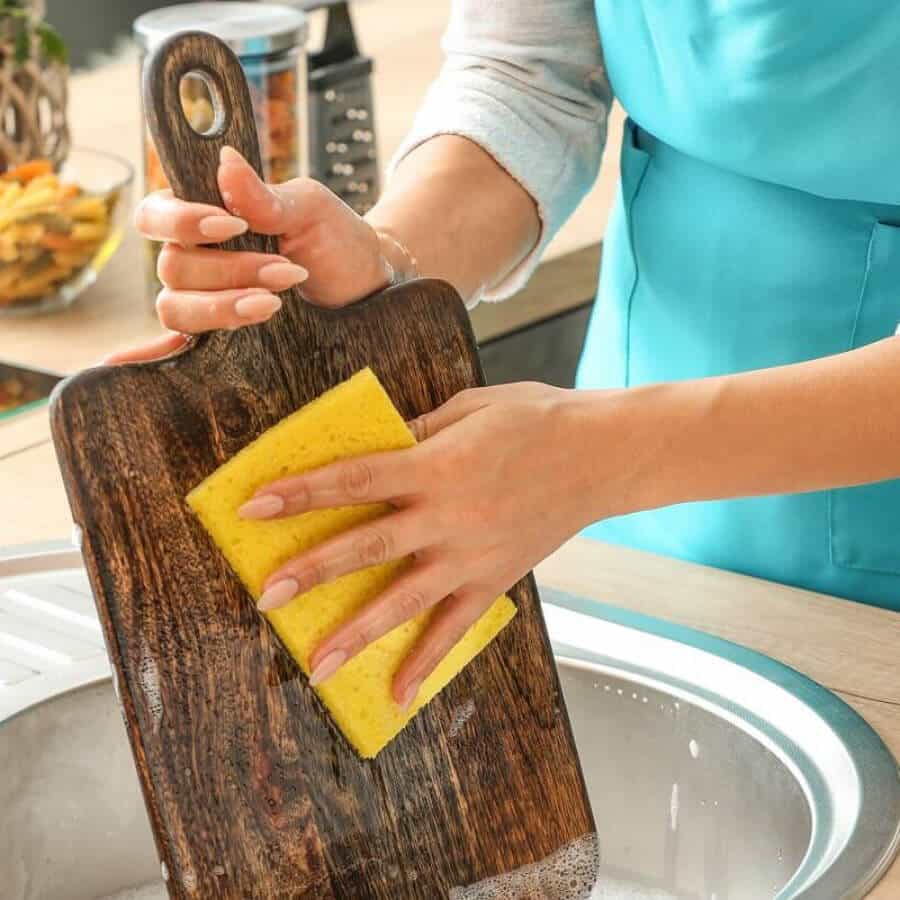
Proper maintenance is essential to extending the life of any cutting board, and for those asking, “is acacia wood good for cutting boards,” the answer often depends on how well it is cared for. With the right attention, an acacia cutting board can remain functional and attractive for many years. Follow these simple steps to keep your board in top condition:
- Clean Regularly: After each use, wash your acacia cutting board with warm water and mild dish soap. Avoid soaking it for long periods, as excess moisture can cause the wood to warp. Always dry your board thoroughly with a clean, dry cloth to prevent water absorption. Regular cleaning ensures that acacia wood cutting boards remain hygienic and safe for food prep.
- Oil Your Board: Just like other wood products, acacia cutting boards can dry out over time. To preserve their beauty and durability, regularly apply food-safe mineral oil or beeswax to the surface. This process helps keep the wood moisturized, preventing cracks and maintaining its rich appearance. If you use your board heavily, aim to oil it once a month—or even more frequently if needed.
- Avoid Direct Heat: For those wondering, “is acacia wood good for cutting boards” in hot environments, it’s important to note that wood products, including acacia wood, are susceptible to heat damage. Never expose your cutting board to high temperatures, such as placing it in an oven or near a hot stove, as prolonged heat exposure can cause warping or discoloration.
- Use the Right Cleaning Tools: When cleaning your acacia cutting board, avoid harsh chemicals, abrasive sponges, or scouring pads that can damage the surface. Instead, use a soft cloth or sponge with mild soap to protect the board’s integrity while effectively removing any residue.
- Proper Storage: Store your acacia cutting board in a cool, dry place away from direct sunlight and high humidity. Excessive heat or moisture can lead to warping, which impacts the board’s flat surface. For added longevity, store the board upright or hang it to allow for proper air circulation.
By following these care tips, you can ensure that your acacia cutting board remains a dependable kitchen tool for years to come—further proving that the answer to “is acacia wood good for cutting boards” is a confident yes. With the right maintenance, acacia wood not only stays durable but also retains its stunning natural appeal.
Why Choose BearChop’s Acacia Wood Cutting Boards?
At BearChop, we take pride in offering premium acacia wood cutting boards that are crafted with care and precision. Whether you’re chopping vegetables, slicing fruits, or carving meats, our boards are designed to last and enhance your kitchen experience. For those wondering, is acacia wood good for cutting boards, BearChop’s collection highlights why acacia wood is the perfect blend of durability, functionality, and beauty.
Bear Chop’s teak and acacia end grain cutting boards represent the best in durability, style, and sustainability. Our boards are crafted from eco-friendly, FSC-certified wood, ensuring that every product reflects a commitment to quality and environmental responsibility. Choosing a Bear Chop teak board means investing in a premium, moisture-resistant option ideal for heavy-duty kitchens. For those prioritizing affordability and unique beauty, our acacia cutting boards deliver durability and warmth at a competitive price, making them among the best woods for end grain cutting boards for any kitchen style.

Selecting Bear Chop means choosing the best wood for end grain cutting boards, bringing a sustainable, high-quality kitchen companion into your home that’s built to last.

Explore our wide range of acacia wood cutting boards, from smaller, more compact options to extra-large boards perfect for larger kitchen tasks. Each cutting board is sustainably sourced, knife-friendly, and built to withstand years of regular use.
Discover Our Best-Selling Acacia Wood Cutting Boards:
- BearChop Acacia Wood Cutting Board with Handle 17 x 13 x 0.75 inch — $34.99
- BearChop Extra Large Edge Grain Acacia Wood Cutting Board 24 x 18 x 1.25 inch — $54.99
- BearChop Large End Grain Acacia Wood Cutting Board 20 x 15 x 1.25 inch — $99.99
Every BearChop cutting board meets the highest standards of quality and sustainability, ensuring your kitchen tools are not only functional but also stunning additions to your cooking space.
Comparison to Other Cutting Board Materials
When considering the question, “is acacia wood good for cutting boards,” it’s helpful to compare it with other popular materials to understand why acacia stands out as a top choice.
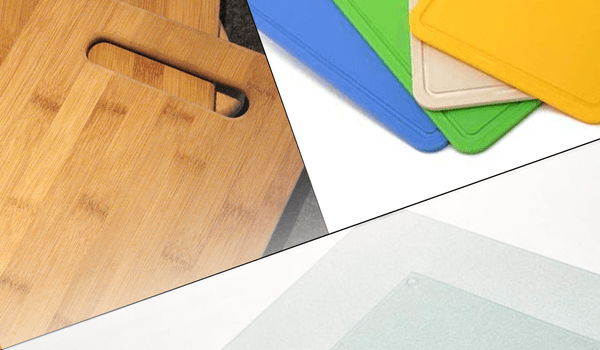
- Bamboo: Bamboo is another eco-friendly material, often chosen for its sustainability. However, it is denser and more brittle than acacia wood, making it less forgiving on knives. Bamboo cutting boards, while strong, can dull your blades more quickly due to their hardness. Additionally, bamboo absorbs moisture more readily than acacia wood, which can lead to warping or cracking over time. These limitations make bamboo a less versatile option when compared to acacia wood cutting boards.
- Plastic: Plastic cutting boards are lightweight, easy to clean, and often dishwasher-safe. However, they can develop deep grooves over time, which harbor bacteria and make cleaning less effective. Plastic is also harder on knives, causing them to dull faster than they would on a softer surface like acacia wood. Stains from foods like beets or turmeric are another common issue with plastic boards, which detracts from their aesthetic appeal and long-term usability.
- Glass: Glass cutting boards are highly durable and non-porous, making them easy to sanitize. However, they are extremely tough on knives, quickly dulling their edges. Additionally, glass cutting boards can chip or shatter under heavy use, making them impractical for everyday kitchen tasks. While they offer a sleek appearance, their lack of knife-friendliness and potential fragility make them a poor alternative to acacia wood cutting boards.
Conclusion: Is Acacia Wood Good for Cutting Boards?
Absolutely! When it comes to finding the perfect balance between beauty, durability, and functionality, acacia wood cutting boards check all the boxes. Their natural antibacterial properties keep your kitchen hygienic, while their knife-friendly surface ensures your blades stay sharp. Not to mention, the rich grains and warm hues make them a stunning addition to any kitchen.
For those wondering, “is acacia wood good for cutting boards,” the answer lies in its versatility and longevity. With proper care, acacia cutting boards can withstand the demands of everyday cooking while maintaining their charm. Whether you’re slicing, chopping, or serving, an acacia wood cutting board offers a reliable and beautiful surface to elevate your cooking experience.
So, if you’re searching for a cutting board that combines style, strength, and sustainability, look no further. Acacia wood cutting boards are a smart, long-term investment for any kitchen.
FAQs About Acacia Wood for Cutting Boards
- Is Acacia wood safe to use for cutting boards?
- Yes, acacia wood is safe for cutting boards. It has natural antibacterial properties due to its closed grain structure, which helps keep bacteria and food particles from penetrating the surface. This makes it a hygienic choice for food preparation. However, like all cutting boards, it’s essential to maintain proper cleaning and care practices.
- How do I care for an acacia wood cutting board?
- To care for your acacia wood cutting board, wash it by hand with warm water and mild soap after each use. Avoid soaking it for extended periods. Dry the board thoroughly with a cloth to prevent moisture absorption. Regularly oil the board with food-safe mineral oil or beeswax to keep the wood hydrated and prevent cracking.
- Does acacia wood scratch easily?
- Acacia wood is a durable, dense hardwood that resists scratching and gouging better than many other cutting board materials. However, deep cuts from knives can still occur over time, depending on the knife’s sharpness and pressure applied. Regular care and maintenance can help preserve its smooth surface.
- Is acacia wood good for knives?
- Yes, acacia wood is gentle on knives, making it a great choice for cutting boards. While it is a hardwood, it is not as abrasive as bamboo or other harder woods, which means it won’t dull your knives as quickly. The moderate hardness of acacia wood ensures a smooth cutting experience without damaging knife blades.
- Can acacia wood cutting boards be used for raw meat?
- Yes, acacia wood cutting boards can be used for raw meat. The natural antibacterial properties of acacia help reduce the risk of bacterial growth, making it safer than some other materials. However, always ensure that the board is cleaned thoroughly after each use, particularly when preparing raw meats, to maintain hygiene.
- How long will an acacia wood cutting board last?
- With proper care, an acacia wood cutting board can last for many years. Its natural durability, resistance to moisture, and strength make it a long-lasting investment in your kitchen. Regular oiling and proper storage will help extend its life and maintain its functionality and beauty.