


Choosing the best wood for edge grain cutting boards is essential for every kitchen, influencing everything from food prep to knife maintenance and durability. Among the most popular options, teak and acacia wood stand out as top choices for those seeking the best wood for edge grain cutting boards. But many home chefs ask, are edge grain cutting boards good enough for serious kitchen use? In this guide, we’ll dive into why edge grain cutting boards are ideal for most kitchens, explore the unique qualities of teak wood and acacia wood for edge grain boards, and introduce Bear Chop, a brand that embodies the strength and beauty of nature in its cutting boards.
Why Edge Grain Cutting Boards Are Perfect for Kitchens
Edge grain cutting boards are made by aligning wood fibers along the length of the board, resulting in a smooth, stable surface ideal for slicing, dicing, and chopping. For those looking for the best wood for edge grain cutting boards, this construction method provides high durability and a knife-friendly surface, allowing for both functionality and longevity. Edge grain boards are a popular choice for home chefs and professionals alike due to their balance of resilience and ease of maintenance.
Edge Grain vs. End Grain vs. Face Grain: Key Differences
When selecting the best wood for edge grain cutting boards, it’s important to understand the differences between edge grain, end grain, and face grain. Knowing these differences can help you choose the best wood for your edge grain cutting board, balancing durability with ease of maintenance.

- Edge Grain: Built with wood strips aligned parallel to the surface, edge grain boards offer a smooth, durable, and low-maintenance surface. Teak and acacia are among the best wood choices for edge grain cutting boards, combining strength with beauty.
- End Grain: Constructed with wood blocks placed vertically, end grain boards have a “self-healing” surface that’s gentle on knives but requires regular oiling. They’re favored by chefs who need a board that’s knife-friendly.
- Face Grain: Made from wide wood planks with horizontal grain, face grain boards are visually appealing but less durable for heavy cutting. They’re best suited for light tasks or as serving boards.
Bear Chop offers a variety of edge grain, end grain, and face grain cutting boards, allowing you to choose the best wood type and grain style for your kitchen needs.
Bear Chop: Inspired by Nature, Crafted for Durability
Bear Chop’s story begins in the heart of an ancient forest, where artisans observed majestic bears sharpening their claws on powerful oak trees. The strength, resilience, and timelessness of these bears inspired Bear Chop’s founders to create cutting boards that reflect these qualities. Every Bear Chop cutting board is FSC-certified, ensuring responsible sourcing and sustainability in each product, bringing the best of the forest’s strength to your kitchen.
The Best Wood For Edge Grain Cutting Board
When it comes to edge grain cutting boards, teak and acacia are standout wood choices, each offering unique benefits in terms of appearance, durability, and ease of maintenance.
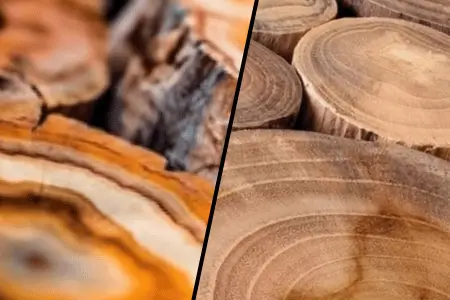
Bear Chop’s comparison showcases the best wood for edge grain cutting boards: teak for durability and moisture resistance, and acacia for affordability and unique grain patterns.

1. Teak: The Ultimate Choice for Durability and Moisture Resistance
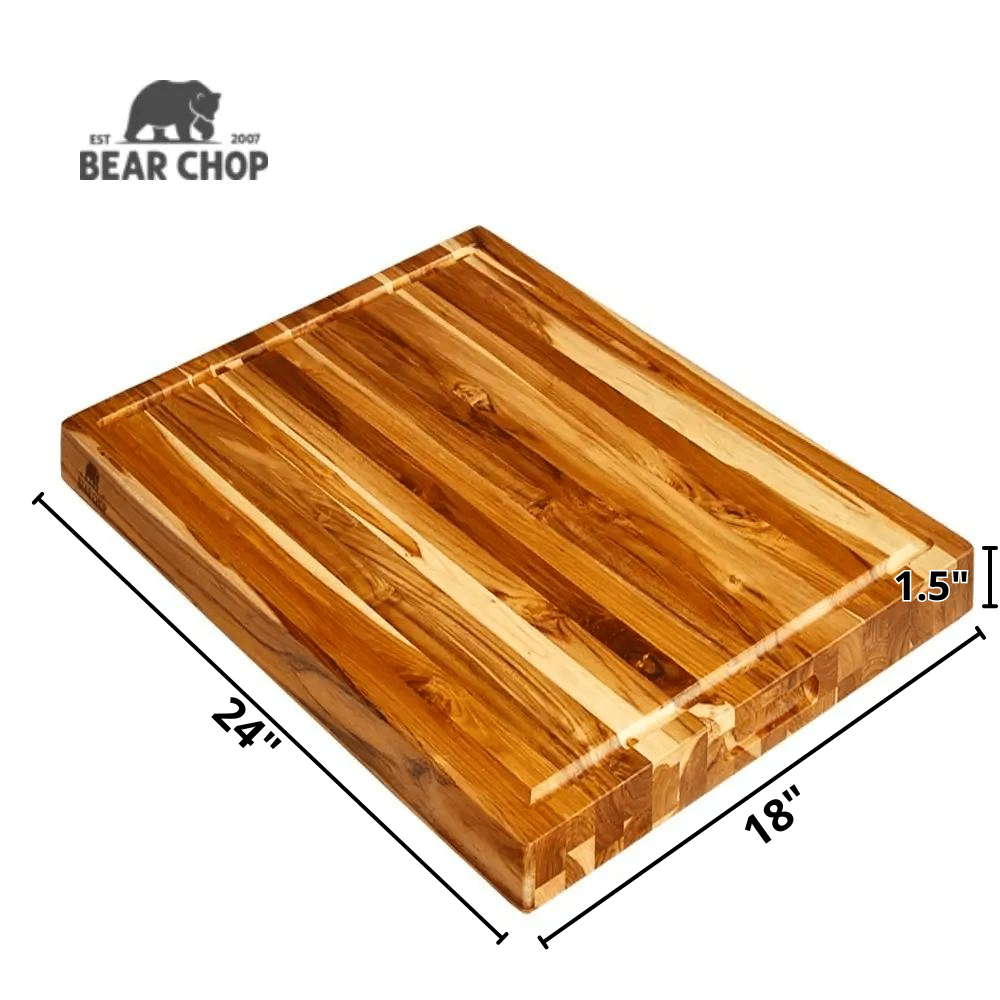
Teak wood is known for its natural durability and water resistance. Due to its high natural oil content, teak repels moisture, resists bacteria, and remains largely unaffected by frequent cleaning or exposure to water. Bear Chop’s Extra Large Edge Grain Teak Cutting Board (24 x 18 x 1.5 inch) demonstrates why teak is considered the best wood for edge grain cutting boards, withstanding heavy kitchen tasks while maintaining its beautiful appearance.
- Pros: Excellent moisture resistance, low maintenance, highly durable, and gentle on knives.
- Cons: Higher cost due to its premium quality.
Why Choose Bear Chop’s Teak Boards?
Bear Chop’s teak cutting boards are crafted for busy kitchens and frequent use, combining functionality with elegance. For those seeking the best wood for edge grain cutting boards, teak is an exceptional choice due to its natural moisture resistance and durability. The teak boards in Bear Chop’s collection, including the Extra Large Edge Grain Teak Cutting Board, offer a sturdy surface that is gentle on knives while being resilient to moisture, ensuring your board remains warp-free and looking beautiful for years to come.
2. Acacia: A Beautiful and Affordable Choice
Acacia is a budget-friendly, eco-friendly wood known for its warm tones and unique grain patterns. Acacia boards, such as Bear Chop’s Large Edge Grain Acacia Wood Cutting Board (20 x 15 x 1.25 inch), provide a stable and smooth surface ideal for everyday chopping and slicing.

- Pros: Durable, knife-friendly, water-resistant, and affordable.
- Cons: Can darken over time, which adds character but requires occasional maintenance.
Why Choose Bear Chop’s Acacia Boards?
Bear Chop’s acacia cutting boards are sustainably sourced and bring stunning grain patterns to the kitchen. Each board is crafted to be both functional and eco-friendly, offering great value for quality. The Bear Chop Medium Edge Grain Acacia Cutting Board (17 x 13 x 1 inch) provides the perfect balance of durability and beauty, making it a versatile addition to any kitchen.
Choosing the right cutting board is essential for every kitchen, influencing everything from food prep to knife maintenance and durability. Among the most popular options, teak and acacia wood stand out as top choices for those looking for the best wood for edge grain cutting boards. But many home chefs ask, are edge grain cutting boards good enough for serious kitchen use? In this guide, we’ll dive into why edge grain boards are ideal for most kitchens, explore the unique qualities of teak and acacia, and introduce Bear Chop, a brand that embodies the strength and beauty of nature in its cutting boards.
3. Other
In addition to teak and acacia, there are several other types of wood commonly used for cutting boards that may also suit your kitchen needs. Each type brings unique qualities, allowing you to find the best wood for edge grain cutting boards to match your style, budget, and functionality preferences:
- Maple: Hard and fine-grained, maple resists scratches and bacteria, making it a top choice for durability.
- Walnut: Known for its dark, rich color, walnut is gentle on knives and offers a smooth surface, though it may need more frequent oiling.
- Cherry: With a warm reddish hue, cherry develops a beautiful patina over time, adding charm and durability to your kitchen.
- Bamboo: Technically a grass, bamboo is eco-friendly and highly durable, though it can be tougher on knives.
Each of these wood types provides unique benefits, whether it’s enhanced durability, aesthetic appeal, or eco-friendliness, helping you find the best wood for edge grain cutting boards tailored to your specific kitchen needs.
Comparison of Teak vs. Acacia for Edge Grain Cutting Boards
| Feature | Teak | Acacia |
| Durability | Extremely durable; withstands heavy use over time, making it among the best wood for edge grain cutting boards. | Durable, but slightly less robust than teak, still a strong option for edge grain boards. |
| Moisture Resistance | HigHigh natural oil content offers excellent moisture resistance, which is essential for the best wood for edge grain cutting boards. | Good moisture resistance, though it requires occasional oiling to maintain quality. |
| Maintenance | Low maintenance; natural oils keep it hydrated, ideal for those looking for long-lasting wood for edge grain cutting boards. | Requires regular oiling to maintain shine and durability. |
| Appearance | Rich, dark grain with a smooth finish, a popular choice for those seeking premium wood for edge grain cutting boards. | Warm tones with unique grain patterns, giving an affordable and stylish option. |
| Eco-Friendliness | FFSC-certified, responsibly sourced, making it one of the best sustainable wood options for cutting boards. | Sustainable and eco-friendly, often a more affordable option for edge grain boards. |
| Price | Higher price point due to quality and scarcity, but worth it for the best wood for edge grain cutting boards. | More affordable, offering good value and quality for those on a budget. |
| Knife-Friendliness | Gentle on knives, helping maintain blade sharpness, which makes it one of the top choices for knife-friendly edge grain cutting boards. | Knife-friendly, though it can be slightly harder than teak, still great for most kitchens. |
| Best For | Heavy-duty kitchen tasks, frequent use; preferred by professionals looking for the best wood for edge grain cutting boards. | Everyday use, ideal for home kitchens seeking affordability and natural beauty. |
Choosing the Right Edge Grain Cutting Board: Key Factors to Consider
When selecting the best wood for edge grain cutting boards, consider the following:
- Maintenance Requirements: Edge grain boards need periodic oiling to prevent cracking and drying.
- Thickness: A thickness of 1 to 1.5 inches provides the durability needed for kitchen tasks.
- Size: Choose a board size based on your meal prep needs.
- Wood Type: Teak and acacia are among the best options for edge grain boards due to their durability and moisture resistance.
By considering these factors, you can select a Bear Chop edge grain cutting board that meets your needs and enhances your kitchen’s style and functionality.
Maintenance Requirements
Consider the level of maintenance required when selecting the best wood for edge grain cutting boards. Edge grain boards generally require less upkeep than end grain boards, though periodic oiling is essential to prevent cracking and drying. Woods like teak, one of the best wood options for edge grain cutting boards, have natural oils that reduce maintenance needs, while acacia boards benefit from regular conditioning to maintain their color and durability.
By considering these factors—thickness, size, wood type, and maintenance requirements—you can select a Bear Chop edge grain cutting board crafted from the best wood for edge grain cutting boards that not only meets your functional needs but also enhances your kitchen with style and quality.
Bear Chop’s Health and Sustainability Commitment
Bear Chop cutting boards are crafted with health and environmental impact in mind. Our boards undergo advanced drying and steaming processes that eliminate 99.9% of bacteria and mold, keeping your kitchen safe and hygienic. Additionally, all Bear Chop cutting boards are FSC-certified, sourced from responsibly managed forests that help protect ecosystems.
With Bear Chop, you’re not only investing in a high-quality cutting board but also supporting sustainability efforts that benefit the environment.
Caring for Your Edge Grain Cutting Board
To keep the best wood for edge grain cutting boards in top condition, follow these care tips:
- Regular Oiling: Apply food-grade mineral oil to your cutting board every few weeks to keep the wood hydrated, prevent cracking, and enhance the natural grain. Regular oiling also creates a protective layer on the surface, helping your board withstand daily us
- Gentle Cleaning: Hand-wash the board with mild soap and warm water after each use to remove food residues and keep it fresh. Avoid soaking or placing it in the dishwasher, as excessive moisture can lead to warping and damage the wood over time.
- Store Properly: After cleaning, dry the board completely and store it in a cool, dry area away from direct sunlight or heat sources. This prevents drying, cracking, and discoloration, ensuring your board remains in excellent condition for years to come.
Bear Chop Cutting Boards: Crafted for Strength and Style
Choosing a Bear Chop cutting board means investing in a product crafted for durability, sustainability, and timeless design. Our teak and acacia cutting boards bring the beauty of nature into your home while offering the functionality you need in the kitchen.
Popular Bear Chop Edge Grain Cutting Boards
- Bear Chop Extra Large Edge Grain Teak Cutting Board (24 x 18 x 1.5 inch) –This board is ideal for kitchens needing a highly durable and moisture-resistant cutting surface. Teak’s natural oils make it perfect for frequent use, offering a board that remains beautiful and resilient over time.
- Bear Chop Large Edge Grain Acacia Cutting Board (20 x 15 x 1.25 inch) – This versatile, eco-friendly board provides ample space for meal prep while adding warmth with its unique grain patterns. Acacia’s affordability and durability make it a favorite choice for everyday kitchen tasks.
With beautiful options in both teak and acacia, Bear Chop cutting boards are as functional as they are visually appealing. Each board is designed to be a long-lasting kitchen companion, providing a reliable and stylish surface that elevates any cooking experience. Whether you’re looking for a board that’s moisture-resistant or one that complements your kitchen’s aesthetic, Bear Chop has you covered with the best wood for edge grain cutting boards.
FAQs
1. Are edge grain cutting boards good for knives?
Yes, edge grain cutting boards are very knife-friendly. They help maintain the sharpness of your blades over time due to their smooth and forgiving surface, making them ideal for regular kitchen use. For those looking for the best wood for edge grain cutting boards, options like teak and acacia are excellent choices as they balance durability with knife-friendliness.
2. Which is better for an edge grain cutting board: teak or acacia?
Both teak and acacia are considered some of the best wood for edge grain cutting boards. Teak offers superior moisture resistance and long-lasting durability due to its natural oils, making it ideal for heavy use. Acacia, on the other hand, is more affordable and showcases a warm, unique grain pattern that adds a beautiful touch to any kitchen. Choosing the best wood for edge grain cutting boards depends on your preference for durability, moisture resistance, or budget.
3. What is the ideal thickness for an edge grain cutting board?
A thickness of 1 to 1.5 inches is ideal for edge grain cutting boards. This thickness provides stability and durability, especially when using the best wood for edge grain cutting boards like teak or acacia. The thickness helps these boards withstand heavy chopping and slicing without warping or cracking.
4. How do I care for an edge grain cutting board?
To keep the best wood for edge grain cutting boards in excellent condition, regularly oil the board with food-grade mineral oil to maintain hydration and prevent cracking. Always hand-wash with mild soap and water, then dry it immediately. Avoid soaking or using the dishwasher, as excessive moisture can damage the wood. Proper care helps ensure your edge grain cutting board remains durable and visually appealing for years.
Conclusion
Choosing the right cutting board is essential for a well-equipped kitchen, and edge grain cutting boards offer an excellent balance of durability, knife-friendliness, and low maintenance. With premium wood options like teak and acacia, an edge grain board can provide the longevity and beauty every chef seeks. For those seeking the best wood for edge grain cutting boards, teak is perfect due to its extra moisture resistance, while acacia provides a warm, visually appealing option that’s also budget-friendly.
Bear Chop’s edge grain and end grain cutting boards embody the spirit of resilience and craftsmanship inspired by nature, making them more than just kitchen tools—they’re lasting investments in quality and sustainability. Whether you need a reliable surface for daily prep or an elegant addition to your kitchen, Bear Chop’s cutting boards deliver strength, style, and eco-friendly craftsmanship.